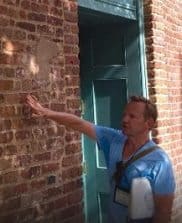

Charleston plantations offer an immersive experience into the region’s past. Many plantations date back to the 17th and 18th centuries, showcasing the lives of those who lived and worked there.
Guided tours often include fascinating stories about the architecture, the families who owned the plantations, and the enslaved people who made the plantations operational.
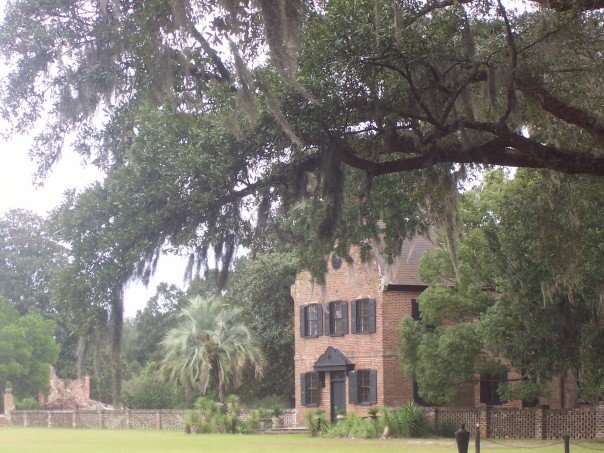
As a walking tour guide in Downtown Charleston, plantation tours are something I get asked about regularly. Whether a visit is right for trip depends on what you hope to get out of the experience.
My favorite plantation to visit is McLeod Plantation, thanks to its incredible interpretation of its complex history. If you're hoping for a blunt and honest history of slavery and how plantations worked; this is the site for you. It is conveniently the closest to downtown as well.
The most popular plantation for visitors to Charleston to is Magnolia Plantation and Gardens; its also the one I've been to the most thanks to the request of family and friends.
LIST OF PLANTATIONS OF CHARLESTON
- Magnolia Plantation
- Boone Plantation
- Middleton Plantation
- Drayton Hall
- McLeod Plantation
- Charleston Tea Plantation
- Pinckney National Historic Site
Why Visit a Plantation?
Visiting plantations can be a topic of controversy due to the complex and painful history associated with these sites. Some people argue that these visits can romanticize the history of slavery, overshadowing the experiences of the enslaved individuals who suffered and endured in these spaces. Others question the ethics of profiting from the historical trauma of enslaved people.
However, others argue that these sites serve as important educational tools, allowing visitors to learn about the harsh realities of slavery and the lasting impact it had on individuals, families, and communities. They believe that by engaging in open and honest dialogue about the past, plantations can contribute to raising awareness and promoting a more inclusive understanding of history.
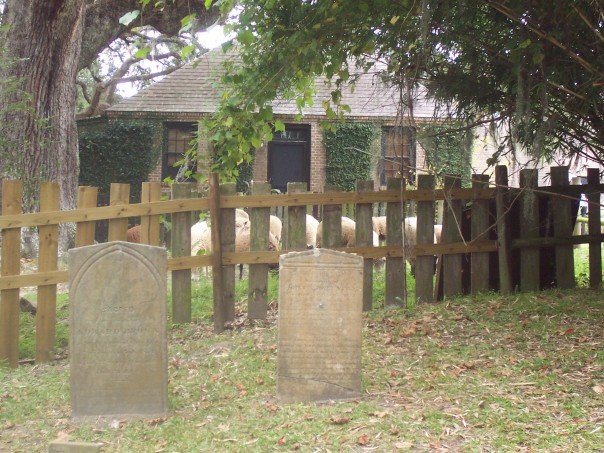
Visiting these beautiful estates allows you to see the foundations of our nation from a different perspective.
Charleston plantations highlight the contributions of the Gullah people, descendants of African slaves who developed their own unique culture, language, and traditions. Through exhibits, performances, and preserved artifacts, you can learn more about the Gullah people’s enduring legacy and their impact on Southern arts, food, and storytelling. It's a culturally rich experience you won't want to miss.
In addition to the political, social, and cultural accounts that you can learn about by visiting a plantation, you can also discover some of the most magnificent architecture in American history.
For families, plantations can serve as an educational outing that fosters discussions about history, economics, and social justice. Visitors leave better informed about the complex history of plantations, slavery, and their lasting impact on society in the South and beyond.
Charleston plantations contain preserved homes, outbuildings, and furniture that provide invaluable insights into 18th- and 19th-century craftsmanship. Properties like Boone Hall Plantation give you a chance to marvel at grand front porches, intricate brickwork, and interior designs that reflect the elegance of a bygone era.
From moss-draped live oak trees to perfectly manicured gardens, Charleston plantations feature some of the most picturesque settings in the South. Iconic spots like Magnolia Plantation and Middleton Place boast breathtaking gardens, walking trails, and eye-catching views. Whether you're an avid photographer or a nature enthusiast, you're sure to be captivated by the beauty of these properties.
How do Charleston Plantations Address Slavery
While Charleston's plantations offer visitors an opportunity to immerse themselves in the history and natural beauty of the area, it's important to acknowledge and address the significant role slavery played in the plantation economy. Many plantations have taken steps to address the history of slavery:
- Interpretive Exhibits: Plantations often feature interpretive exhibits that provide historical context and information about the enslaved people who lived and worked on these plantations. These exhibits aim to share a more comprehensive narrative of the plantation's history.
- Guided Tours: Some plantations offer guided tours where knowledgeable guides provide insights into the lives and experiences of the enslaved individuals who were an integral part of plantation life. These tours help visitors understand the complex and often painful history associated with these plantations.
- Educational Programs: Plantations frequently organize educational programs and events focused on educating visitors about the history of slavery and its impact on the local community. These programs aim to foster dialogue, reflection, and a deeper understanding of Charleston's complex past.
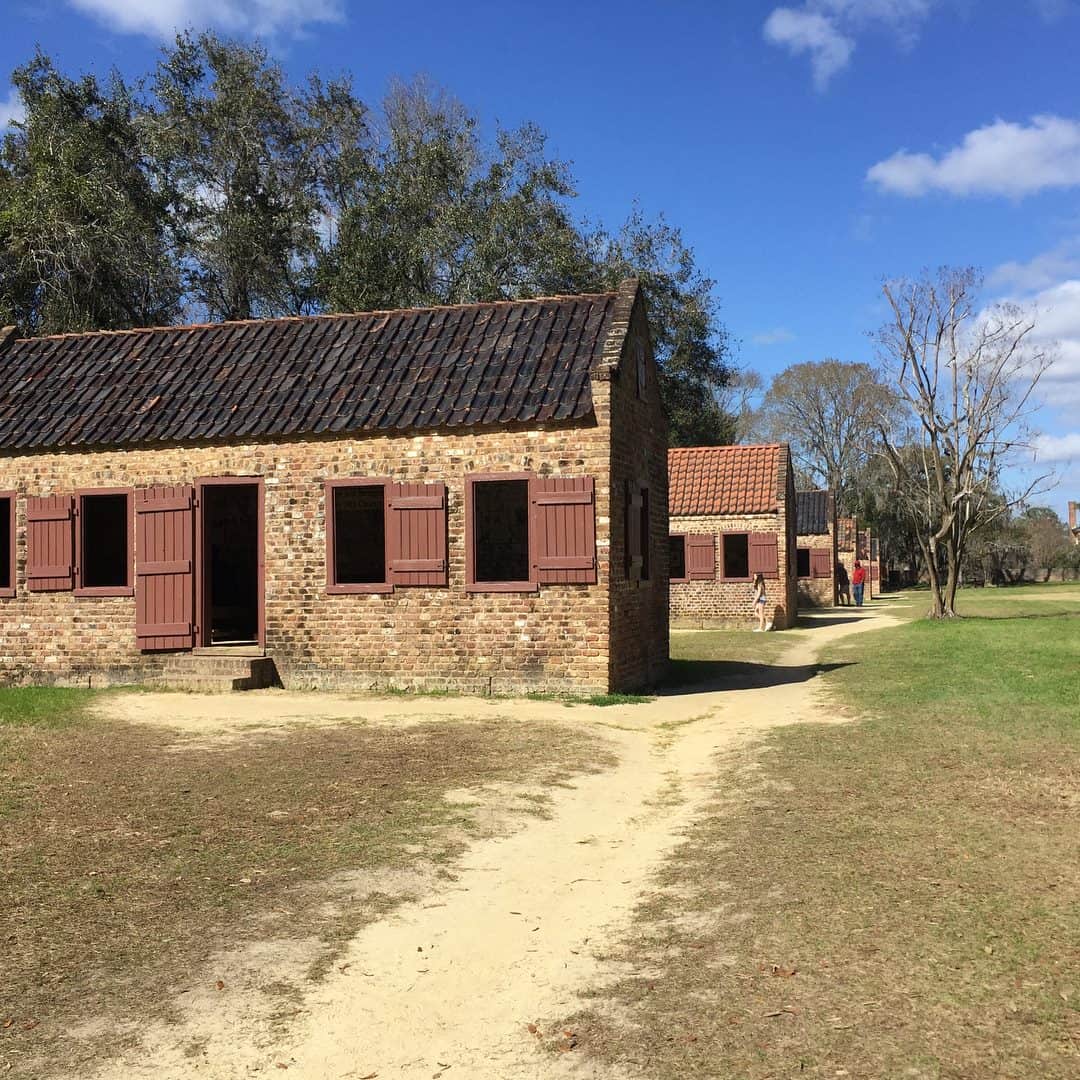
It is crucial to remember that while these plantations offer an opportunity to explore the beauty and history of Charleston, they are also spaces to engage in a more comprehensive and honest conversation about the often overlooked stories of the enslaved individuals who labored on these properties. By acknowledging this history, plantations strive to create a more inclusive and meaningful experience for all visitors.
Free-to-Visit Plantations in Charleston
For those seeking to explore Plantations in Charleston on a budget, there are several in the area that offer free admission. These include:
- McLeod Plantation Historic Site: This plantation does NOT offer free admission but compared to other plantations it is affordable and does not require extra fees to take a tour.
- Charles Pinckney National Historic Site: This historic site offers free admission, allowing visitors to learn about the life and contributions of Charles Pinckney, a prominent figure in early American history.
- Caw Caw Interpretive Center: Managed by Charleston County Parks, the Caw Caw Interpretive Center provides free access to nature trails, boardwalks, and exhibits that showcase the area's diverse ecosystems and wildlife. This was once part of several rice plantations.
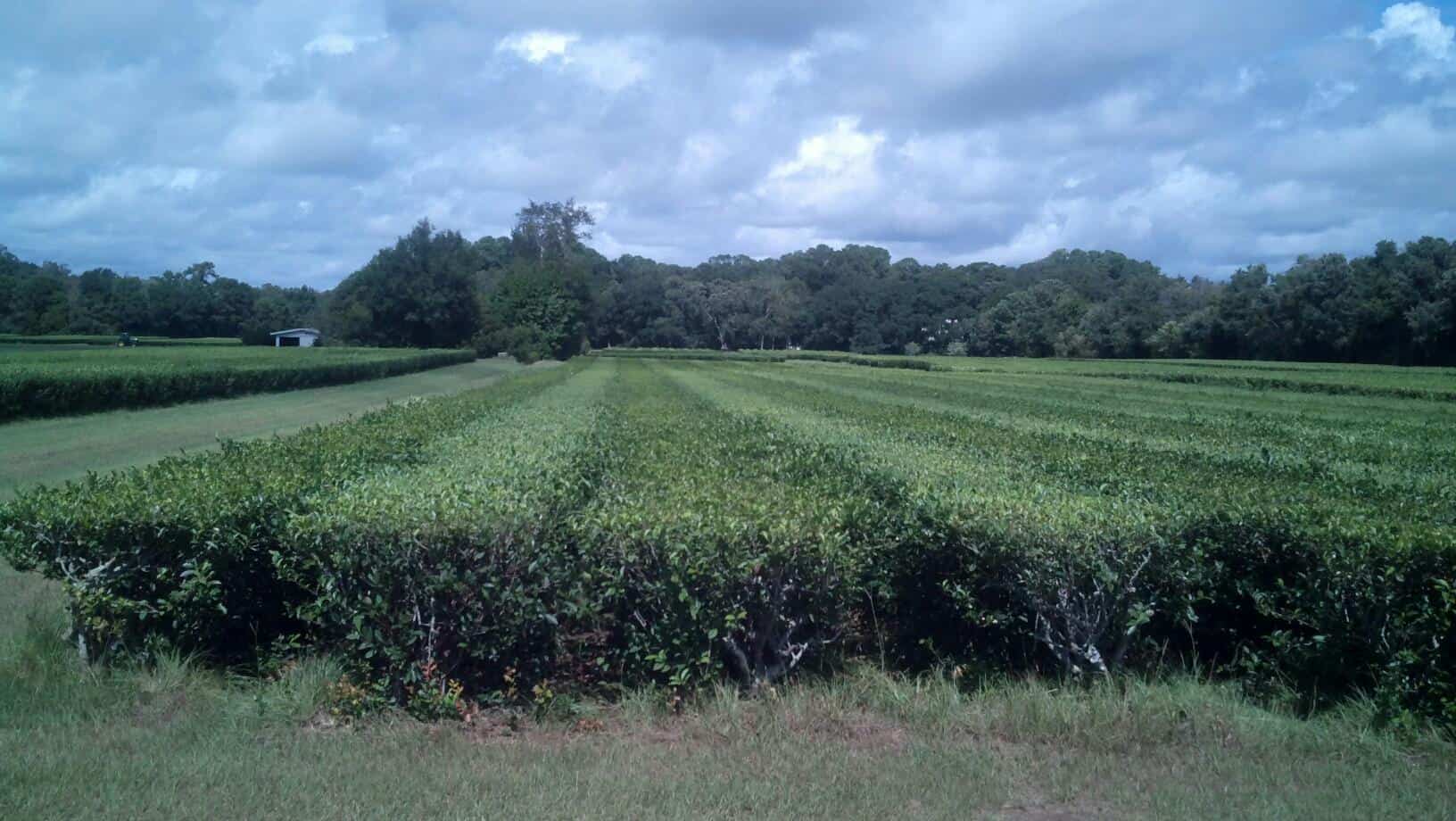
- Charleston Tea Plantation: Located a short drive from Charleston, the Charleston Tea Plantation offers visitors a unique experience exploring the only working tea plantation in the United States. The plantation is open to the public, and visitors can enjoy free admission to wander through the tea fields, learn about the tea-making process, and even sample their delicious teas.
While these plantations offer free admission, it's important to note that additional fees may apply for guided tours, specific attractions, or special events.
Charleston Plantations to Visit without a Car
Exploring Charleston's historic plantations is a must-do experience, even if you don't have access to a car. Due to the nature of plantations and their need for open space, there are no plantations you can walk to from downtown Charleston.
Luckily, there are several plantations that can be easily accessed through alternative transportation options such as taxi or guided tours.
All the major plantations are about 10 miles outside of downtown which means it is an easy taxi/Uber/Lyft ride from downtown. Rates depend on time of day and traffic, but it is usually around $40-50 each way.
Magnolia Plantation and Gardens
- Magnolia Plantation is open 365 days a year including all major holidays, though hours vary by season: November - February from 8:30 am - 4:30 pm; March - October from 8 am - 5:30 pm.
- Admission:
- $20 for Adults; $10 for Children; Children 5 and under can enter for free.
- To take a guided tour, you must pay an additional $8 per person.
Founded in 1676 by the Drayton family, Magnolia Plantation is the most visited plantation in Charleston. It was built before the American Revolution and harbors centuries of history that few places in America can boast to have.
It is the oldest public tourist site in the area, having opened their doors to visitors in 1870. Magnolia Plantation is also renowned for its beautiful gardens.
We have a whole post outlining the details of Magnolia Plantation.
Basic Admission includes access to a variety of activities and spaces including the Orientation Theater, Historic Gardens, Gilliard Garden Center, The Conservatory, Old African American Cabin, The Peacock Café, Petting Zoo, and Gift Shop.
Guided tours offered are the Plantation House Tour, Nature Train Tour, Nature Boat Tour, Slavery to Freedom Tour, and the Audubon Swamp Garden.
Boone Hall Plantation & Gardens
- Hours: Tuesday-Saturday 9 AM-5 PM | Sunday 12 PM-5 PM
- Admission: $26 for Adults; $23 for Seniors; Military; $12 for Children; Free for Children 5 and under.
Like many of the plantations in America, Boone Hall has been transformed into something of a historical garden which features some of the most beautiful views you will ever experience.
One of the most distinctive aspects of Boone Hall is its stunning Avenue of Oaks, an awe-inspiring entrance lined with majestic, centuries-old oak trees, creating a grand and picturesque welcome. These oak trees, with their sprawling branches and Spanish moss, exude a sense of timeless beauty and charm.
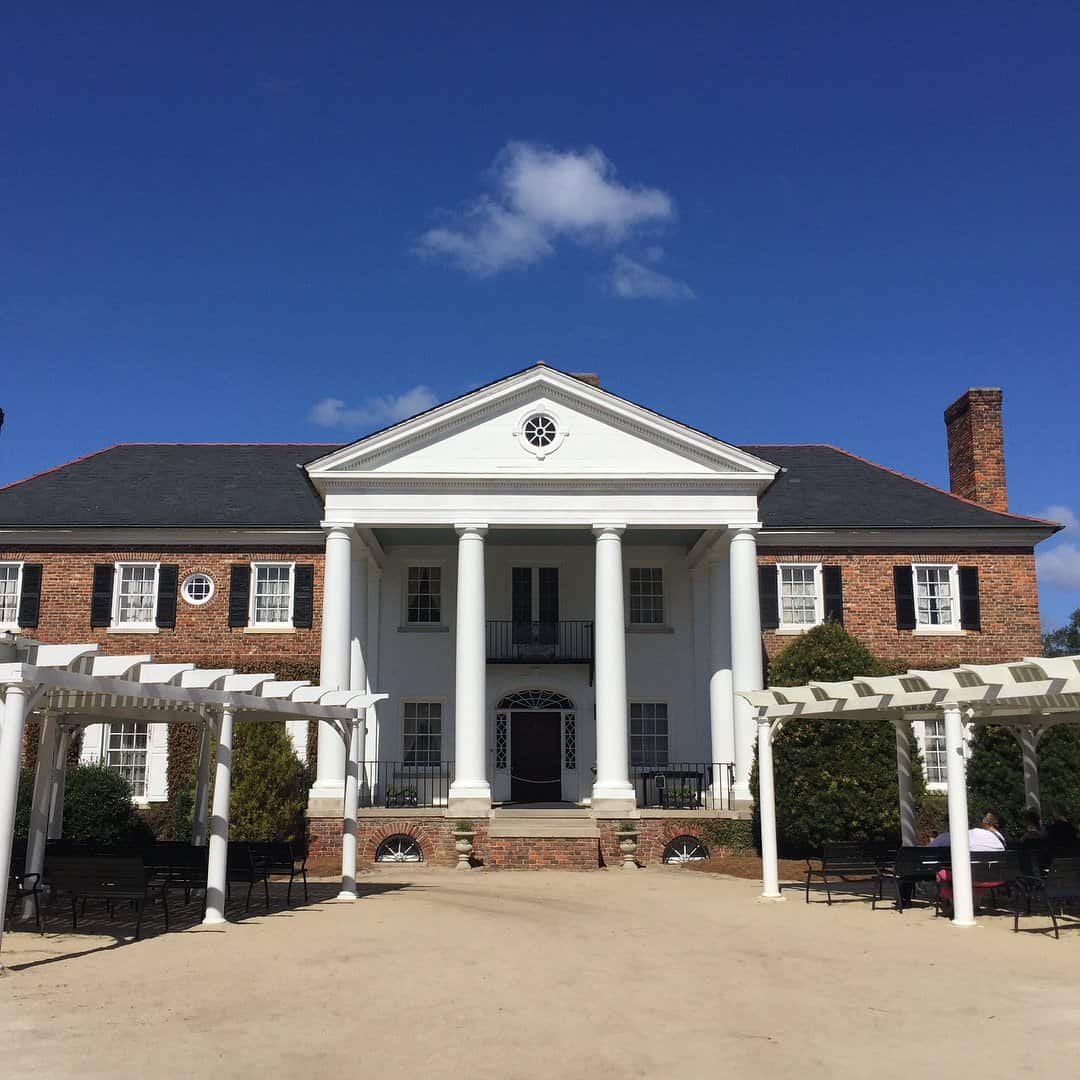
Boone Hall has a preserved plantation home, original slave cabins, and historic gardens, visitors can gain insights into the lives of those who lived and worked on the plantation.
There are several tours and performances available at this estate, including both a coach tour of the entire 738 acres and a house tour of the gigantic mansion.
Middleton Place Plantation
- Hours: Open daily from 9:00 a.m. - 5:00 p.m. | Christmas Eve: 9am-1pm (House Museums & Restaurant closed) | Closed December 25.
- Admission: $29 for Adults; $5 for Students (with ID); $5 for Children; Children 5 and under entering for free.
Note: Specialty Guided Tours cost extra: House Museum Guided Tour $15
Combo Tour Prices: $45 for Adults; $25 for Students; $25 for Children; Free for Children under 5.
Welcome to the home of America’s oldest landscaped gardens! Not only are these grounds absolutely breathtaking, but they’re also historic.
Unlike some of the other plantations you may visit, Middleton Place employs costumed interpreters to give us a glimpse into the past.
Middleton Place provides a majority of its tours for free with the price of admission.They also offer a few specialty services for an additional cost, but it isn’t necessary to partake in these extra activities.
One of their tours is self-guided, so you’ll have the opportunity to break off from the pack and explore at your leisure.
Although it will be a bit more expensive to experience everything that Middleton Place has to offer, you’ll find that most of the tours and activities are somewhat different than what you’ll find at other plantations.
In addition to their historical recreation of events, this estate also provides a wide variety of nature walks and garden tours.
With so many different activities to enjoy, it would be fairly simple to spend an entire day exploring the area and discovering what life was like in the 18th and 19th-century.
You can bundle and save at the Middleton Place with their Combo tickets that include General Admission, House Museum Tour, and admission to the Edmondston-Alston House, located in downtown Charleston.
Drayton Hall
- Hours: Opens from Wed - Sat except for New Year’s Eve and Day, Thanksgiving Day, and Christmas Eve and Day. 9:00am-3:30pm
- Admission: $22 for Adults; $10 for Youth (8-14); Free for Children 7 & under.
When it comes to this estate, the name of the game is historical preservation. The group behind the management of this property cares deeply about ensuring that Drayton Hall remains just as beautiful today as it did hundreds of years ago.
Admission will grant you access to several different tours, walks, and attractions.
When visiting Drayton Hall Plantation, one of the most highly recommended tours is the "Guided House Tour." Led by knowledgeable docents, this tour provides a captivating glimpse into the rich history and architectural significance of Drayton Hall. Step inside the stately 18th-century plantation house and explore its well-preserved interiors, including the grand rooms adorned with period furnishings and captivating stories.
The "Nature Walks and Garden Tours" at Drayton Hall Plantation offer visitors the opportunity to explore the stunning landscape surrounding the plantation. Led by knowledgeable guides, these tours showcase the diverse flora and fauna of the area, highlighting the natural beauty and ecological importance of the grounds.
This plantation is one of the most educational and respectful estates in Charleston.
If you want to learn about the past from a group of people who truly understand their history, a visit to Drayton Hall is definitely in order.
McLeod Plantation
- Hours: Tuesday - Sunday 9am - 4pm. Closed Mondays.
- Admission:
- $15 for Ages 13& up; $12 for Ages 60+; $6 for Ages 3-12; Free for Ages 2 an under.
If you want to learn more about the history of Gullah people, this is the place to visit.
Admission includes 45-60 minute guided interpretive tours.
The McLeod Plantation is a notable heritage site for early African Americans, and they provide a lot of valuable information about their culture.
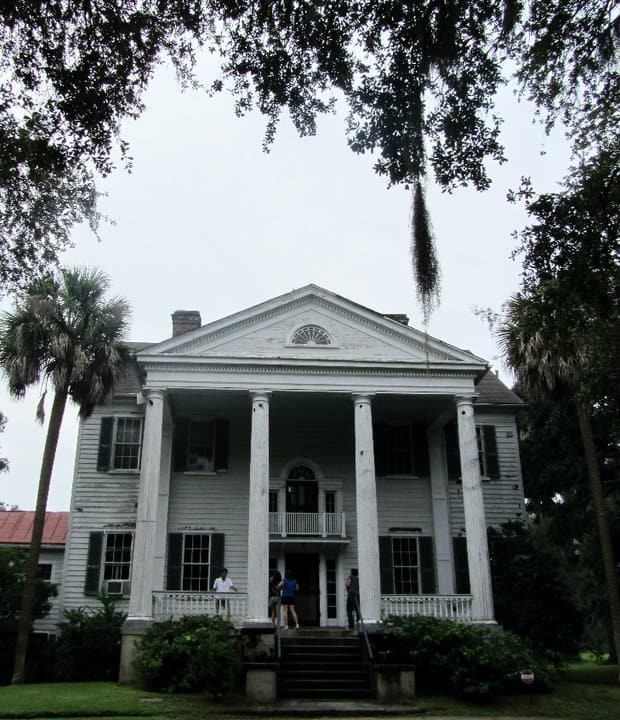
In addition to the historical relevance of this estate, you’ll also enjoy beautiful views crafted by the nearly 600-year-old McLeod Oak which span the plantation.
While there are several plantations in Charleston that provide insights into the history of slavery, McLeod Plantation stands out as an exceptional destination for learning about the experiences of enslaved individuals and their descendants.
With its immersive exhibits, guided tours, and carefully preserved buildings and grounds, McLeod Plantation offers a comprehensive and thought-provoking exploration of the complex history of slavery in the Lowcountry.
Visitors can engage with the untold stories of resilience, culture, and heritage, gaining a deeper understanding of the lives of those who lived and worked on the plantation.
The poignant Slave Dwelling and the Avenue of Oaks are among the many highlights that make McLeod Plantation an enlightening and transformative experience for those seeking to learn more about this significant chapter in American history.
Charleston Tea Plantation
- Hours: Monday -Saturday from 10:00am - 4:00pm; Sunday from 12:00pm to 4:00pm.
- Admission: FREE to visit the estate and take the Bigelow Tea Factory Tour.
- Charleston Tea Plantation Trolley Tour $14 for Adults, $7 for Children (12 & under)
For those who weren’t aware, Charleston is actually the home of America’s only tea factory.
Chances are that you have some of their tea in your home right now! The Bigelow Tea Factory can be found at the Charleston Tea Plantation on Wadmalaw Island.
The unique climate in this area makes it the perfect location to grow tea plants.
Although this plantation isn’t as historically relevant as some of the other estates on our list, we still find it pretty cool.
If you want to learn about how they began to grow tea in the United States, the tours offered at this location are incredibly informative.
In addition to a trolley tour around the grounds, they also provide a factory tour and several other opportunities to explore.
Not only do they offer admission and a tour for absolutely nothing, but they also give away some of their tea to visitors.
Needless to say, this is definitely a different experience from other estates in the area, and it could be worth visiting simply to experience a modern perspective on plantations.
Charles Pinckney National Historic Site
- Hours: Open every day en Wednesday-Sunday 9:00am-5:00pm except Thanksgiving, Christmas and New Years Day.
- Admission: Since this is a national park, it is always free to visit.
This plantation does not provide any tours of their grounds, but it’s worth noting that entrance is absolutely free.
With the help of information provided on their website, you can take a self-guided tour and discover all of the important sites on your own.
Charles Pinckney is noted for his role as both a signer and drafter of the original U.S. Constitution. Considering that he was a founding father, it’s not hard to understand why the government would make his estate a national historic site.
They may not provide guided tours, but you can always enjoy a free self-guided tour of the Snee Farm. These include the Historic Road to Main House, Slave Community Area, Nature Trail, Boardwalk, Model Rice Trunk.
This plantation has a history dating back to the early 1800s, making it one of the most historic locations in Charleston.
The visitor center – located in the Lowcountry farmhouse – features three films about the story of Charles Pinckney and his plantation.
Even without a guide showing you around the grounds, there is still plenty to do at this historically relevant estate.