

While I love giving tours of San Francisco, my hometown, sometimes I need to escape the city and connect with nature.
Being so close to Yosemite is a treat and though I have gone countless times, there is still so much to see.
If you are a first-time visitor this post can help you narrow down what to see and do in majestic Yosemite National Park.
I cover the best viewpoints and unique landscapes, as well as recreational activities like hiking, water activities, boating, biking and more.
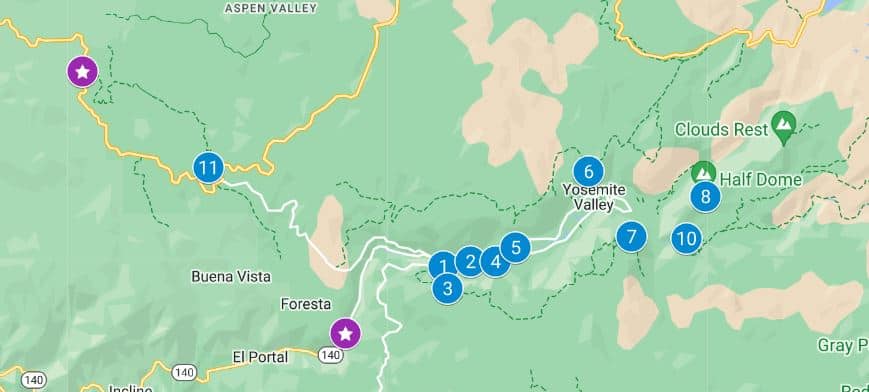
Also included is practical information like entrance fees, directions to the park, bus tours and a map of the places in this post.
Now go and enjoy Mother Nature!
SPECTACULAR SIGHTS
Yosemite National Park is just under 1,200 square miles (300,000 hectares). This is roughly the size of Rhode Island!
Given the park's size, I recommend that first-time visitors -- especially those in the park for just a day and those who don’t have a car -- spend their time in and around Yosemite Valley.
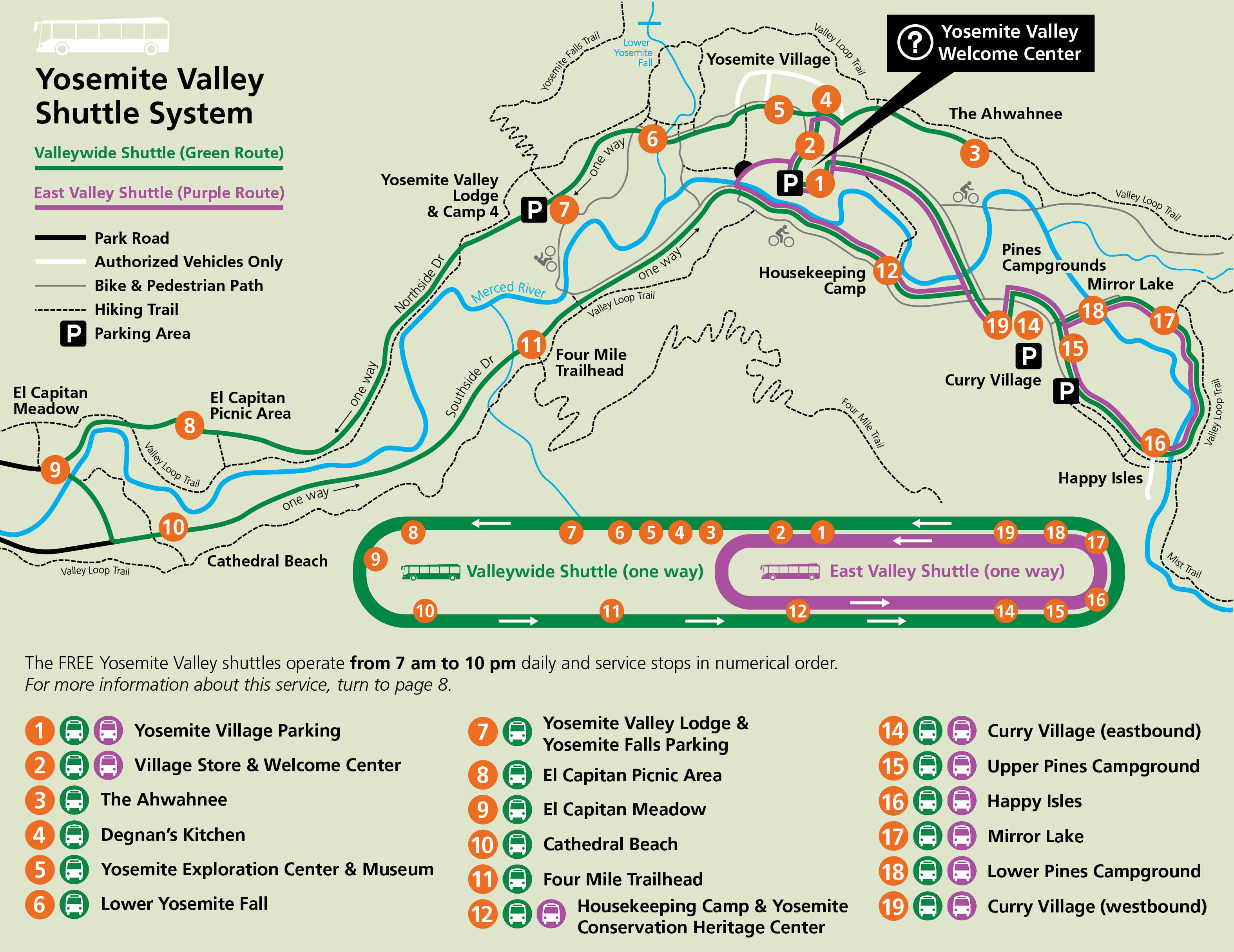
The valley park packs a punch and many of the sights in this post are there. For those without a car, the park’s free valley shuttle makes visiting these places easier. Learn about the shuttles below.
A few of the sights I cover below are outside the valley and require some form of transportation to reach, be it by car, special park buses or foot.
Finally, the sights in this post are closer to the Arch Park entrance along Highway 140 from San Francisco, though you can reach them from the Black Oak Flat entrance from Hwy 120.
Read our post on getting from San Francisco to Yosemite by bus, car, and train for in-depth directions.
TIP: I HIGHLY recommend using the Yosemite National Park App. Download the app and any content you might want BEFORE you get to the park as you may not have a cell signal or Wi-Fi access during your visit.
1. Tunnel View
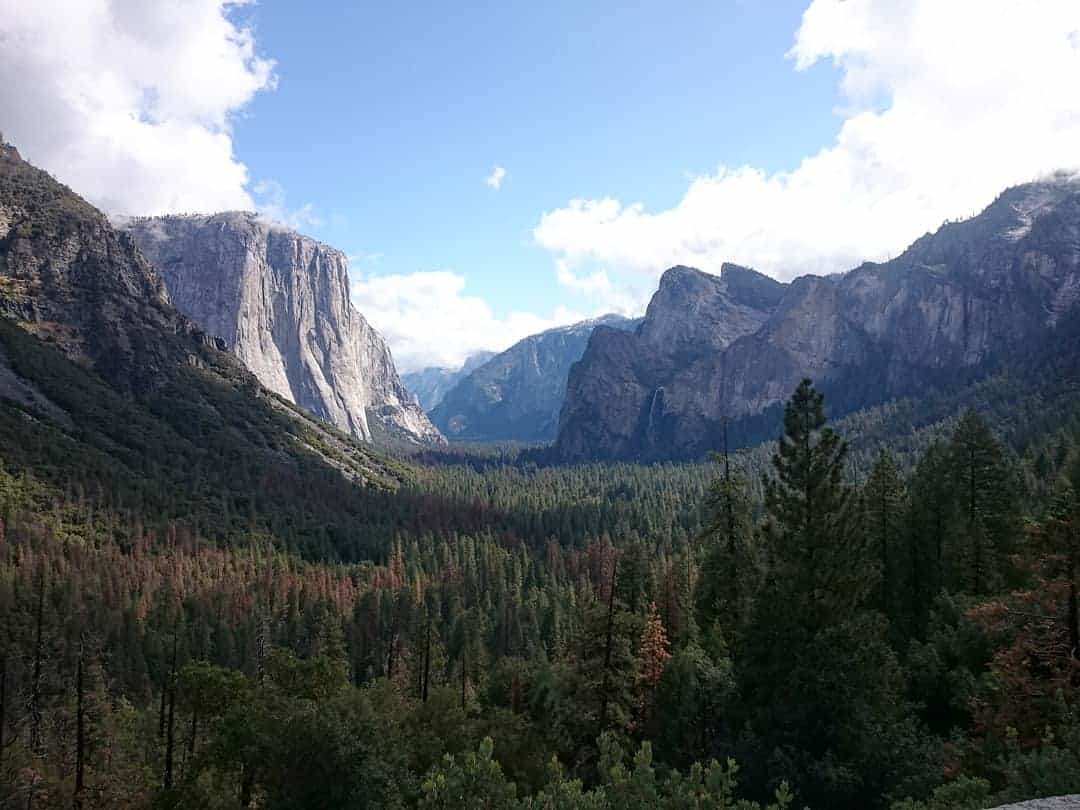
For those driving to the park, as you exit the Wawona Tunnel along State Highway 41, you'll be greeted with one of the most breathtaking scenes imaginable.
You'll see an iconic, framed vista of the Yosemite Valley's highlights: El Capitan, Bridalveil Fall, and Half Dome.
It's a view that encapsulates the magic of Yosemite and is guaranteed to leave a lasting impression on every visitor.
I've driven to the park and also traveled by public transportation. Without a car, you can get there by bike, foot or a combo of both. But you'll need time and stamina.
Trust me, it's an uphill battle! You'll be better off going to Glacier Point discussed below.
The view is so magnificent that world-renowned photographer Ansel Adams captured its beauty in his iconic photograph, Thunderstorm, Yosemite Valley from 1949.
If you have time, pop into the Ansel Adams Gallery in Yosemite Village.
Directions from the Arch Rock Entrance (8 miles)
- Head northeast on CA-140 E/El Portal Rd.
- El Portal Rd turns slightly right and becomes Southside Dr
- Use any lane to turn slightly right onto CA-41 S/Wawona Rd.
- Continue to follow Wawona Rd.
- Turn right and Tunnel View is on the right
2. Yosemite Valley Viewpoint
As an alternative to Tunnel View, drivers can stop at this viewpoint. I think it's prettier than Tunnel View though it lacks the element of surprise!
Your view will include El Capitan, Sentinel Rock, Cathedral Rocks, and Bridalveil Fall with the peaceful Merced River in the foreground.
Directions from the Arch Rock Entrance (10 miles)
- Head northeast on CA-140 E/El Portal Rd.
- El Portal Rd turns slightly right and becomes Southside Dr
- Keep left to stay on Southside DrToll road
- Turn left onto El Capitan DrToll road
- Merge onto Northside Dr
3. Inspiration Point
For views as spectacular as those from Tunnel View, but with fewer people, make the moderately difficult hike to Inspiration Point.
I feel that your energy could be better saved for other hikes, but I thought it was worth mentioning to give you options.
The hike to this lookout starts at Tunnel View and is a round-trip trek of 2.6 miles and an elevation gain of 990 feet. The hike should take you no more than 2 hours total.
If you aren't feeling quite as inspired but still curious to beat the crowds at Tunnel View, try the Artist Trail hike.
It’s easier than hiking to Inspiration Point. It’s 2 miles round-trip with an elevation gain of 500 feet. It will take between 45 to 90 minutes in total.
Directions from the Arch Rock Entrance (8 miles)
- Head northeast on El Portal Rd.
- El Portal Rd turns slightly right and becomes Southside Dr
- Use any lane to turn slightly right onto CA-41 S/Wawona Rd.
- Continue to follow Wawona Rd.
- Turn left and the Pohono Trailhead will be on the right
4. Bridalveil Fall
This is the first waterfall you'll encounter in a park filled with waterfalls when you arrive via car or bus along Hwy 140.
This 620-foot waterfall is small compared to Yosemite Falls, but it’s still a wonderful sight!
This waterfall flows all year, but like most falls the water flow is at its peak in May.
It’s an easy hike to the base of the falls. It is 0.2 miles round-trip with an elevation gain of 200 feet.
Depending on your pace, it takes about 15 to 30 minutes. But it’s worth it to feel the mist. I love feeling the cold water on my face!
Read about the hike here.
Directions from the Arch Rock Entrance (6.6 miles)
- Head northeast on El Portal Rd.
- El Portal Rd turns slightly right and becomes Southside Dr
- Use any lane to turn slightly right onto CA-41 S/Wawona Rd.
- Continue to follow Wawona Rd.
- Turn left
5. El Capitan Meadow
This lovely meadow offers an amazing viewpoint for one of the park’s most famous rock formations, the massive El Capitan.
Rising 3,000 feet above the valley floor, El Capitan can be seen by drivers from multiple vantage points including Tunnel View and Valley View.
Car or not, anyone can get impressive views from El Capitan Meadow which is near the valley shuttle stop #9.
From the meadow, one can also see Lower and Middle Cathedral Rock and the Cathedral Spires.
Directions from the Arch Rock Entrance (8.4 miles)
- Head northeast on El Portal Rd.
- El Portal Rd turns slightly right and becomes Southside Dr
- Keep left to stay on Southside Dr
- Turn left onto El Capitan Dr
- Merge onto Northside Dr
6. Yosemite Falls
Yosemite Falls is made up of two waterfalls, an upper and a lower section. Combined, these sections are a remarkable 2,425 feet, making it one of the highest falls in North America.
It’s ten times taller than Niagara Falls and twice the size of the Empire State Building.
No matter how many times I’ve seen the falls, I am always mesmerized. It’s not a sight one ever gets bored of!
The falls are best seen from the Lower Yosemite Falls Loop trail, a paved 1-mile loop. Read about the hike here.
If you are using the free valley shuttle, it is stop #6.
If you want to get up close and personal with the Upper Falls, you’ll need 6-10 hours to hike there with a steep elevation gain of 2,600 feet. Read about the hike here
I admit, I haven't done this hike. I am after all primarily a city dweller. But you don't need to hike there to be awed!
You can expect the water to flow from November to July, and it will be at peak levels in May. During the winter, an ice cone forms at the base of the upper falls.
No matter what season, the falls -- and everything else in Yosemite is stunning.
Directions from the Arch Rock Entrance (11.5 miles)
- Head northeast on El Portal Rd.
- El Portal Rd turns slightly right and becomes Southside Dr
- Keep left to stay on Southside Dr
- Turn left onto Sentinel Drive
- Turn left onto Northside Dr
- The trailhead will be on the right
7. Glacier Point
Another amazing viewpoint, Glacier Point is 7,214 feet tall. It offers sweeping panoramas of the park’s peaks and valleys, waterfalls and more.
From the parking area, you can see Half Dome, Nevada Fall and Vernal Fall.
For more views, you can walk about a quarter of a mile on a paved path to the official Glacier Point overlook with views of Yosemite Falls, the Royal Arches, North Dome and Tenaya Canyon.
The Glacier Point Road is open to vehicles from approximately late May through October or November.
For those who don’t have a car, a special ticketed bus tour is offered, but only in the summer. Read about the tours here.
Directions from the Arch Rock Entrance (31 miles)
- Head northeast on CA-140 E/El Portal Rd
- Continue to follow El Portal Rd
- El Portal Rd turns slightly right and becomes Southside Dr
- Use any lane to turn slightly right onto CA-41 S/Wawona Rd
- Continue to follow Wawona Rd
- Turn left onto Glacier Point Rd
- Keep left to stay on Glacier Point Rd
8. Half Dome
At 8,844 feet in height, this granite dome is one of the most well-known rock formations in the park.
The landmark’s name is based on its appearance, as it looks like an entire dome cut in half.
This iconic sight can be viewed from many locations. Half Dome is in the perfectly framed landscape when you drive through Tunnel View.
From inside the park, the views are incredible from Cook’s Meadow and Sentinel Bridge, shuttle stop #6.
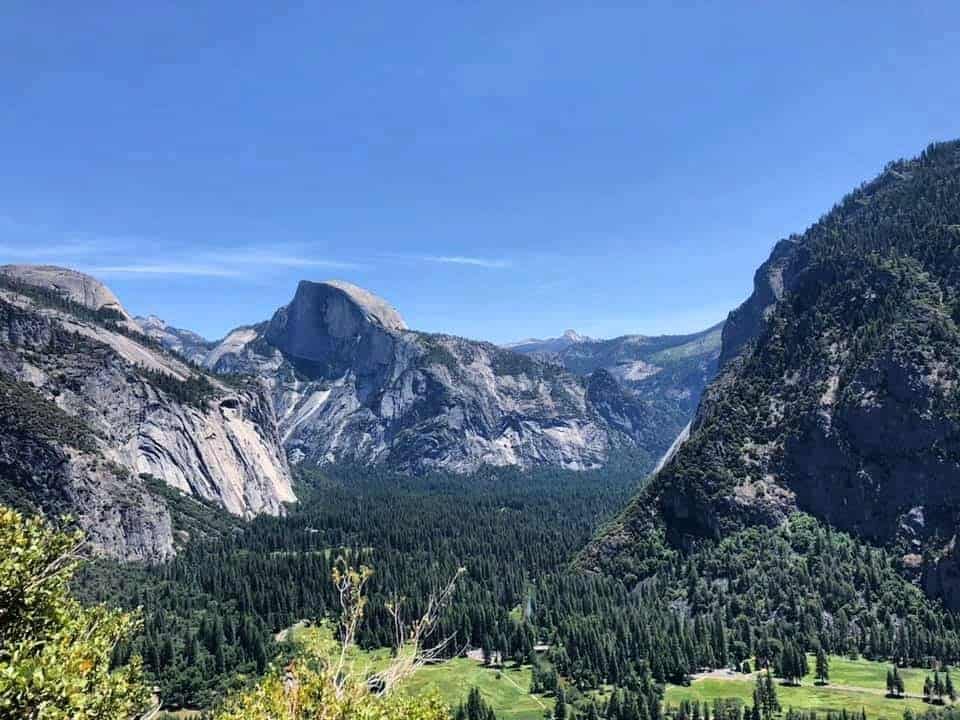
In 1865, reports said that Half Dome would never be scaled by people, yet ten years later, George Anderson, an intrepid mountaineer did it.
Since then, humans have been taking on the feat of scaling this gigantic wonder!
The hike is for the extremely skilled only and requires a permit. If this sounds like you, go for it! Here's all you need to know.
9. Mariposa Grove
Located in the southern part of Yosemite beyond the valley, this is a historic grove of over 500 of giant Sequoia trees.
The grove is so old that it was Abraham Lincoln who signed legislation protecting this area for public use and recreation.
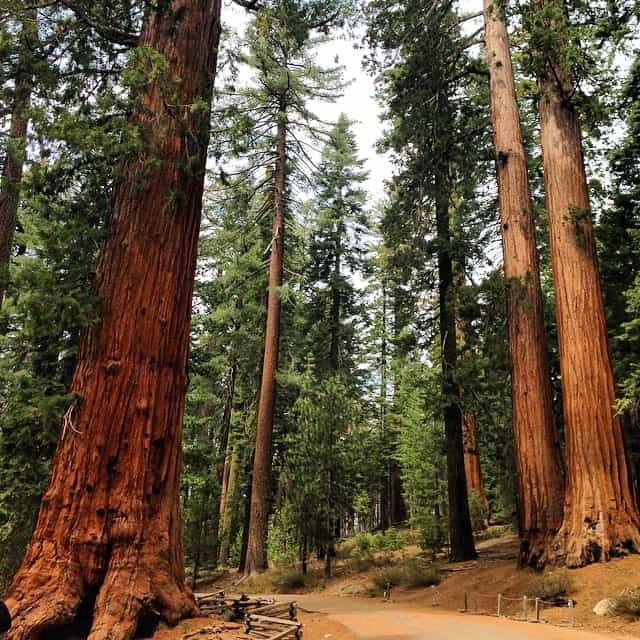
There is a free shuttle from the Mariposa Grove Welcome Plaza to the grove itself.
It operates no earlier than April 1 and no later than November 30. Beyond those dates, you'll have to hike to the grove.
TIP: An alternative to Mariposa Grove are the two groves at Crane Flat (#10 on the map at the top of this post).
These two small groves of giant Sequoias, Tuolumne Grove and Merced Grove, are quieter and see far fewer visitors than Mariposa Grove.
I like these groves, especially since they are near my favorite camping location, Crane Flat.
Directions from the Arch Rock Entrance (30 miles)
- Head northeast on El Portal Rd.
- El Portal Rd turns slightly right and becomes Southside Dr
- Slight right onto CA-41 S/Wawona Rd
- Continue to follow Wawona Rd to the Visitor’s Center
THINGS TO DO
Here are the top ways to have recreational fun and discover the extraordinary sights and activities that Yosemite has to offer.
Hiking
With over 750 miles of trails to walk, Yosemite has no shortage of hikes of all levels of ease/difficulty. Read about Yosemite's most popular hikes.
One of my favorite hikes is the Mist Trail. This is a hike not to be missed! (#10 on the map at the top of this post).
Some say that if there is only one hike you do in Yosemite, it is this.
As you hike the well-trodden trail, you'll be rewarded with arresting views of the falls and the surrounding Sierra Nevadas.
Get ready to get wet from Vernal Falls' mist, which often yields beautiful rainbows!
Read about this hike and the relevant information you need to decide if you want to make the trek.
For another more challenging and thrilling hike, read below about the Sentinel Dome adventure!
Enjoy a Free Walk or Talk
Once in the park, you can take a guided tour led by park rangers. There are also informational talks.
If you are traveling with children there are family-friendly activities as well.
All scheduled programs are listed on their calendar.
Take a Driving Tour
If you are coming by car, you can use a traditional map -- but do not count on using your phone to guide you as you will not have cell service in all locations.
Consider this narrated driving tour app that costs just $19.99 and takes you to the must-see viewpoints in Yosemite like many of those in this post.
The app works with your phone’s GPS signal, not cell towers, so no cell service or Wi-Fi is required!
Biking
Yosemite Valley has more than 12 miles of paved bike paths. Cyclists are also welcome to ride on the regular roads, provided they follow traffic laws.
Bicycles are available for rental at the park, but you can also bring your own bike with you if you decide to drive there yourself.
Check the Yosemite website for more details.
Water Activities
Swimming, boating, kayaking, and rafting are allowed in the park. Read about Yosemite's water sports.
Swimming is permitted in almost every body of water in Yosemite National Park. One excellent choice for swimming is the Mcclendon Beach Day Use Picnic Site.
Fishing sites are located throughout the park and you can usually get fishing supplies on site. You will need to get a fishing license if over the age of 16.
In the summer you can rent a raft though if you can, I recommend bringing your own. The same for boats and kayaks.
Camping
This is one of the most popular activities in Yosemite and plenty of campsites.
One I like is Crane Flat as this meadow is one of the prettiest in the park.
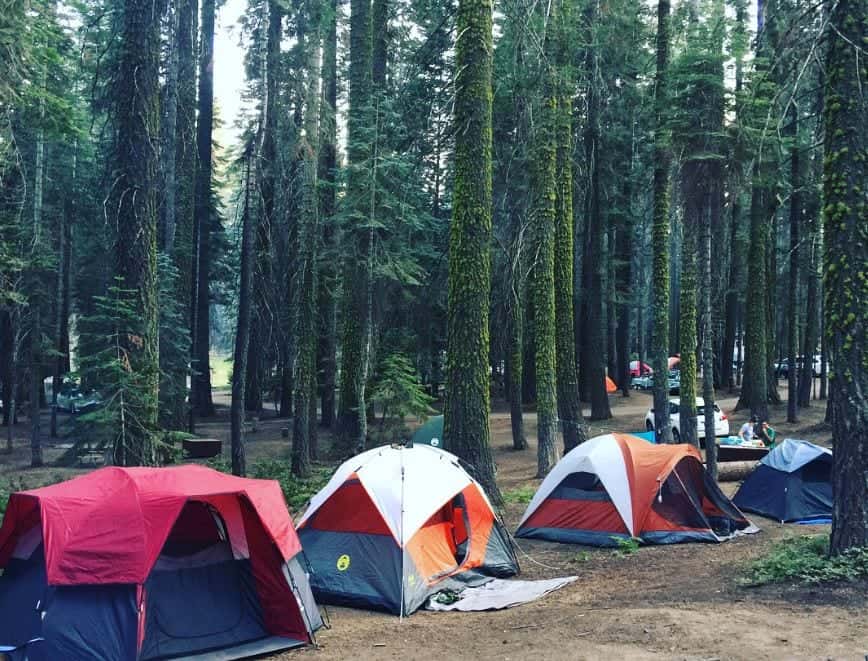
It's about a 25-minute easy hike to the Tuolumne Sequoia tree grove.
Read about camping in Yosemite Park.
Birdwatching
More than 100 different species of birds enter the Yosemite area every year.

The park offers a free checklist of birds and a guide to common birds you’re likely to see which can help you on your search.
You should bring ringing binoculars for this activity, but you don’t necessarily need them.
Sentinel Dome Adventure
Sentinel Dome, one of Yosemite's iconic granite peaks, offers a challenging yet rewarding hike.
When you reach the top, you'll be treated to a spectacular 360-degree view.
Witness Yosemite Falls, Half Dome, and the High Sierra stretching out beneath you - a sight that truly encapsulates Yosemite's vast wilderness.
Chilling at Tenaya Lake
Tenaya Lake, nestled high in Yosemite's mountains, offers a peaceful escape.
Ideal for a lakeside picnic or a refreshing swim, the lake's crystal-clear waters perfectly reflect the surrounding Sierra Nevadas.
The stunning scenery and calming atmosphere make it a treasured spot for relaxation.
Peaceful Merced River
The Merced River is another of Yosemite's tranquil gems.
Whether you opt to float along its gentle currents, fish for trout, or simply sit by the bank taking in the beautiful scenery, it's a fantastic place to connect with nature.
The river's beauty, accentuated by its clear waters and surrounding flora, showcases the park's natural charm.
Stargazing
If you plan to stay in Yosemite Valley overnight, one of the best nighttime activities is simply looking at the stars.
Since you’re surrounded by nature, the lights of the city won’t obstruct your view.
If you have a telescope, you may want to consider bringing it for this activity.
In the summer, amateur astronomers often set up telescopes at Glacier Point on Saturdays,
Astronomy walks or talks may also be offered in Yosemite Valley, Tuolumne Meadows, and Wawona. Read more here.
Look for Sierra Nevada Bighorn Sheep
Take the opportunity to witness Yosemite's native fauna by seeking out the Sierra Nevada Bighorn Sheep.
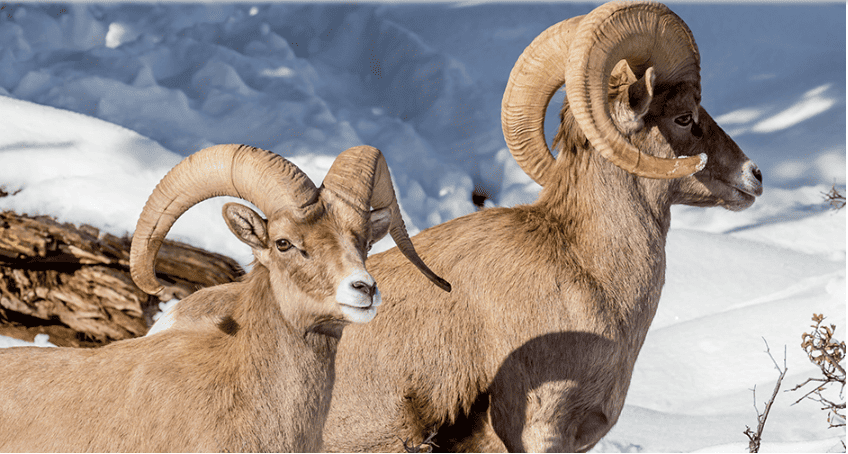
These fascinating animals, once endangered but now thriving in the park, exhibit impressive agility as they navigate the rugged rocky cliffs.
Don't forget to bring your binoculars for this wildlife adventure, it's a sight you'll want to see up close.
Ansel Adams Gallery Exploration
The Ansel Adams Gallery, located in Yosemite Village, is a must-see for those who appreciate works by this world-renowned photographer.
Admire the timeless landscapes captured in Adams' striking black-and-white photography.
Each image not only portrays Yosemite's grandeur but also fosters an appreciation for the park's breathtaking vistas and the preservation of America's natural treasures.
PARK ENTRANCE FEES
There is a fee to enter the park that varies based on your method of transportation and whether or not you have a pass.
Prices
- Car / Pickup Truck/ RV / Van (up to 15 seats)
- $35 per vehicle | No per-person fee
- Van with 15 seats or more
- $20 per person over the age of 16
- Motorcycle
- $30 per vehicle | No per-person fee
- Foot/Bicycle/Horse/Bus $20 per person over the age of 16
If you decide to take a tour from San Francisco, you probably won’t have to pay anything to enter the park.
Tour companies usually pay for those fees on their own and simply add it to the cost of your ticket.
Even so, the cost per person is usually much lower for visitors coming via tour bus ($10 - $15 or less).
Free Days
If you want to avoid fees, there are free entrance days at Yosemite Park. Plan your trip for one of these days to get into the park for free:
- Martin Luther King Jr. Day (3rd Monday of every January)
- Juneteenth National Independence Day (every June 19th)
- First day of National Park Week (April 22 in 2025)
- National Park Service's (August 4 in 2025)
- National Public Lands Day (4th Saturday every September)
- Veterans Day (every November 11th)
Keep in mind that if you plan to visit for more than one day, you will be required to pay for entrance on the next day.
Read more here.
Yosemite Passes
In addition to the standard ticket options available, you can also purchase a pass.
This is a great opportunity for anyone who plans to visit more than once during the year. It’s also worth considering if you are a member of the military or are permanently disabled.
- Yosemite Pass | $70
- Grants entry to Yosemite for 12 months
- National Parks Pass | $80
- Grants access to all national parks for 12 months
- Senior Pass (62+) | $80
- Grants access to Yosemite for life
- Military Pass | Free
- Annual pass covering Yosemite entrance fees for all active military personnel and their dependents
- Access Pass | Free
- Lifetime entry to Yosemite for US Citizens with permanent disabilities
GETTING HERE
Yosemite National Park is 167 miles away from San Francisco. You can get to the park by driving there yourself, taking a bus tour, or using public transportation.
Below is a summary.
For detailed directions and information, read our post on how to get to Yosemite National Park from San Francisco.
By Car
If you have access to a car, you can drive to Yosemite from San Francisco in about four hours.
There are several routes to choose from, including a scenic route or a route that takes slightly less time to reach the park.
Depending on how you choose to get there, travel time will take an average of 3 ½ - 4 ½ hours.
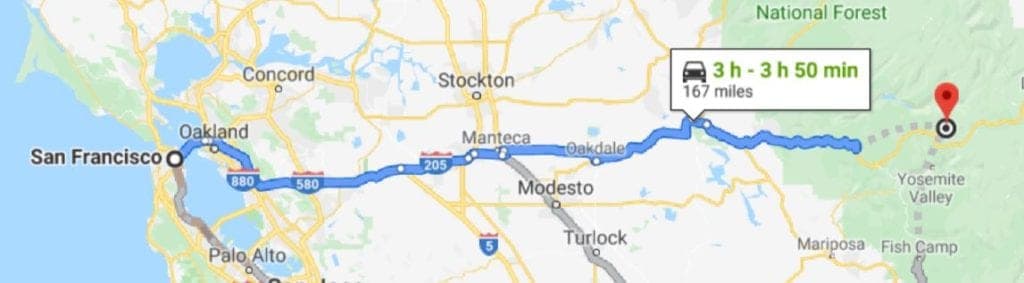
Use this link to Google Maps for specific directions and routes that you can take from your point of departure anywhere in San Francisco.
For detailed driving information, read our post on directions to Yosemite National Park from San Francisco.
By Bus Tour
Bus tours are great for those who don't have cars. But even if you have your own transportation, a bus tour lets you sit back and enjoy the views.
Bus tours also have live guides who provide commentary during the ride.
Several companies offer tours of Yosemite departing from San Francisco.
Read our post on Yosemite bus tours to see what your options are.
By Public Transportation
Though you cannot get all the way to Yosemite by public transport, you can get pretty close!
You can take either an Amtrak train or a Greyhound bus to the town of Merced.
From there, you transfer to the local transportation service for the last leg of your trip to Yosemite.
See our post on how to get to Yosemite National Park from San Francisco for detailed information.
Yosemite Valley Shuttle System
Once you are inside Yosemite, you can use this free and convenient shuttle to travel around the eastern part of Yosemite Valley.
Shuttle bus stops are near major sights and trailheads, some stores, and hotels. Check the shuttle map.
Shuttle service runs from 7 am - 10 pm every day of the year.
TOURS OF YOSEMITE
For those who don't have a car or prefer to let someone else do the driving, opt for taking a Yosemite bus tour.
If you can get to the park yourself, there are guided tours you can take starting from Yosemite. For example, you can take a guided Yosemite Day Hike from Glacier Point.
In the winter season, let a guide take you to the locations that are open instead of figuring out on your own where you can and cannot go. Check out this Yosemite Valley Winter Hiking Tour.
For other options like two-day trips, see this list of Yosemite National Park Trips from San Francisco.
WHAT DOES REDDIT THINK?
The information in this post is based on my experience. But millions more people go to Yosemite every year!
Here are a few common questions that cropped up on Reddit and what Reddit users had to say.
I mentioned my favorite hikes, but what do other people think?
Here's some support for one of my picks, Glacier Point.

The Reddit user who asked the question initially heard back that Vernal Falls (one of my favorites!) might not be a 'must-see', or at least not on a first trip.

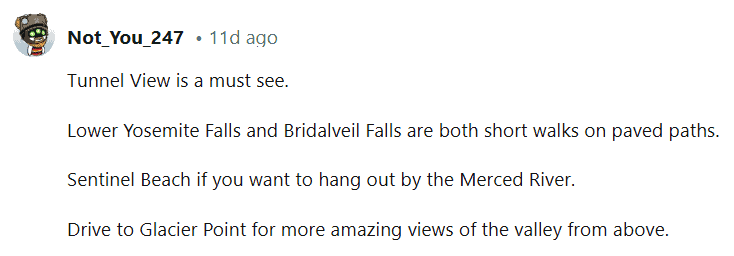
One topic I didn't go into was Yosemite's accessibility to those with mobility issues. This Reddit user asked the Yosemite forum.
The replies were very reassuring that there are indeed wonderful locales that can be reached on paved paths.
One recommendation was Happy Isles along the Merced River.

Fortunately, the amazing Mariposa Grove has a fully paved path that is wheelchair accessible.

Lastly, some of the very best parts of the park, like the Lower Yosemite Falls trail and the Bridalveil Fall trail are short walks on paved paths.
OTHER QUESTIONS YOU MAY HAVE
How many days do you need in Yosemite?
For a comprehensive exploration of Yosemite's diverse landscapes, including the Mist Trail, John Muir Trail, and the majestic Sequoia Trees, and to enjoy the various lodging options, a trip of at least three to four days is recommended.
Is it worth visiting Yosemite for just one day?
Even a one-day visit to Yosemite offers a glimpse of its beauty.
You could take a round trip to top attractions like the Four Mile Trail, experience rock climbers in action, or admire the grandeur from Tunnel View.
Despite the time constraints, it's absolutely worth visiting.
What is the best month to visit Yosemite?
The best month to visit Yosemite depends on what you wish to experience. For avid hikers seeking elevation gain, May and June are perfect for visiting waterfalls and trails.
For winter enthusiasts, December is ideal for skiing and enjoying a different, snowy perspective of the park.
RELATED POSTS