

What is the weather like in New York City in January? This guide covers January temperatures in NYC, rain and snow, what to wear and pack, and things to do during your visit.
January is typically the coldest month of the year in New York City. Temperatures can vary considerably, with some relatively mild winter days mixed with periods of freezing temperatures, snow, and strong winds.
As local tour guides, we know that January weather can have a big impact on a visit to New York City. And I am not just a tour guide. I'm also a retired meteorologist who has found a new way to put my experience to work.
- Average Temperatures
- How Cold Is New York City in January?
- How Much Rain and Snow Does NYC Get in January?
- Does It Snow in NYC in January?
- What to Wear in New York in January
- Things to Do in January
Average Temperatures in New York in January
January is typically the coldest month of the year in New York City. Afternoon high temperatures are generally in the upper 30s°F (3–5°C), while overnight and early morning temperatures are usually in the 20s°F (around -2 to -6°C).
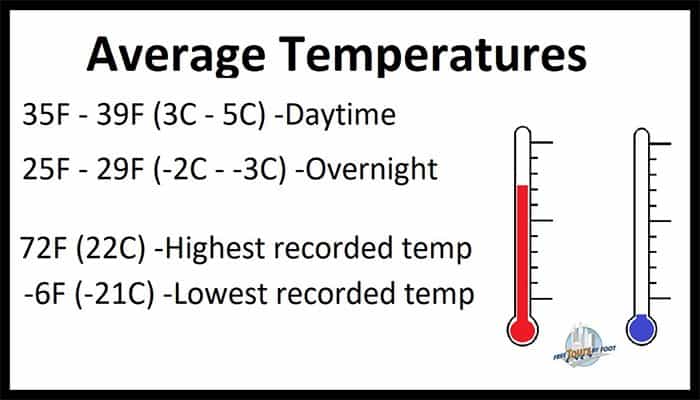
Temperatures can vary considerably during the month. New York can have relatively mild winter days, but cold spells can also bring temperatures well below freezing.
How Cold Is New York City in January?
January can be very cold in New York City, particularly when strong winds or a cold front moves through the area.
During colder periods, overnight and early morning temperatures can drop into the teens°F (around -12 to -9°C). Wind can also make it feel significantly colder than the actual temperature, especially when you're walking around the city.
If you're visiting New York City in January, plan to spend plenty of time outdoors sightseeing, and dress accordingly. A warm winter coat, layers, gloves, and comfortable footwear will make a big difference on long days of exploring the city.

How Much Rain and Snow Does NYC Get in January?
January in New York City can bring a mix of rain, snow, cloudy days, and sunshine. Precipitation is fairly common during the month, but you can also have several dry days in a row.
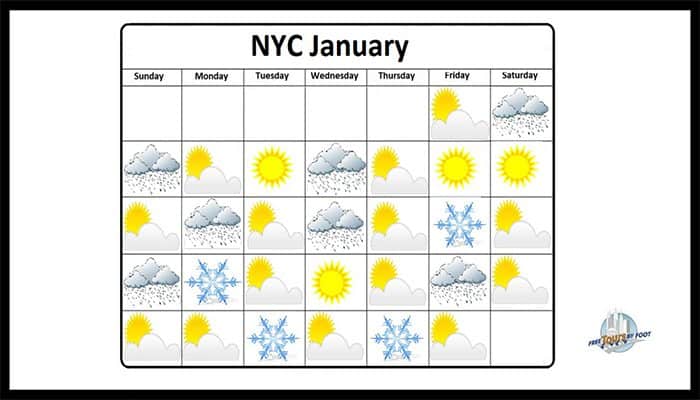
Rain is generally more common than snow, particularly when temperatures are above freezing. Winter storms can sometimes bring a mixture of rain, sleet, and snow, so it's a good idea to check the forecast before heading out.
If you're planning to explore New York City on foot, pack a compact umbrella or rain jacket and wear shoes or boots that can handle wet winter weather.
Does It Snow in NYC in January?
Yes, January is one of the more likely months to see snow in New York City.
Snowfall varies considerably from year to year. Some Januarys bring several snow events, while others have relatively little snow. When a winter storm does arrive, temperatures can be cold enough for snow to accumulate, although rain or a mix of rain and snow is also possible.
If you're hoping to see snow during your January visit, keep in mind that snowfall is never guaranteed. For more information, see our guide to snow in New York City.
What to Wear in New York in January
January in New York City can be cold, windy, and wet, so you'll want to pack clothing that will keep you warm while you're sightseeing.
Layers are especially useful because temperatures can change throughout the day. You may be outside in cold weather one minute and inside a heated restaurant, museum, or shop the next.
Here are some essentials to pack for New York City in January.
1. Winter Jacket or Coat
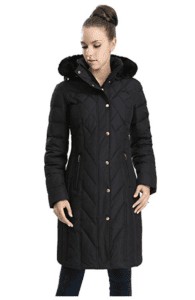
A warm winter coat is essential for January in New York.
A wool coat, down jacket, or other insulated winter coat will help keep you comfortable when temperatures drop. If you're planning to spend several hours outdoors, choose a coat that provides good protection from wind and wet weather.
A hat, scarf, and gloves are also useful, particularly on colder days.
2. Warm Layers
Bring several warm layers, including sweaters, long-sleeved shirts, and thermal layers.
Layering lets you adjust what you're wearing as temperatures change throughout the day. Thermal layers can be particularly helpful if you're visiting from a warmer climate and aren't accustomed to New York's winter temperatures.
Don't forget gloves for colder days.

3. Warm, Comfortable Boots or Shoes
A pair of warm, comfortable shoes or boots is a good idea for January in NYC.
If rain, snow, or ice is in the forecast, water-resistant footwear can help keep your feet warm and dry. Choose something comfortable enough for walking because you may cover several miles while exploring New York City.
4. Warm Socks
Don't forget a few pairs of warm socks, particularly if you plan to spend a lot of time outdoors.
Wool or other insulating socks can help keep your feet comfortable on long days of sightseeing and walking tours.
Things to Do in January
January is a quieter time to visit New York City, with plenty of indoor attractions and winter activities to enjoy. You can see a Broadway show, visit museums, attend a sporting event or concert, and explore the city on foot when the weather cooperates.
For a complete list of seasonal events and activities, see our Things to Do in New York in January guide.
If you're planning to visit several of NYC's top attractions, you may also want to consider a New York City tourist pass.
Here are some ideas for your January visit:
- Attend a concert.
- See a major sporting event.
- Take a hop-on-hop-off bus tour.
- Enjoy Broadway Week or see a Broadway show.
- Take a walking tour of New York City.
- Enjoy New York Restaurant Week.
- Go ice skating.
- Take advantage of after-Christmas sales.
- Explore NYC's museums and other indoor attractions.
- Save money with a tourist concession pass.
January weather can be cold, but there are plenty of ways to enjoy New York City without spending the entire day outdoors. Just be sure to check the forecast and dress warmly if you're planning to walk around the city.
For even more ideas, see our guide to things to do year-round in New York City.
If you're visiting at the beginning or end of winter, you can also check out our guides to New York in December and New York in February.

Related Posts: