
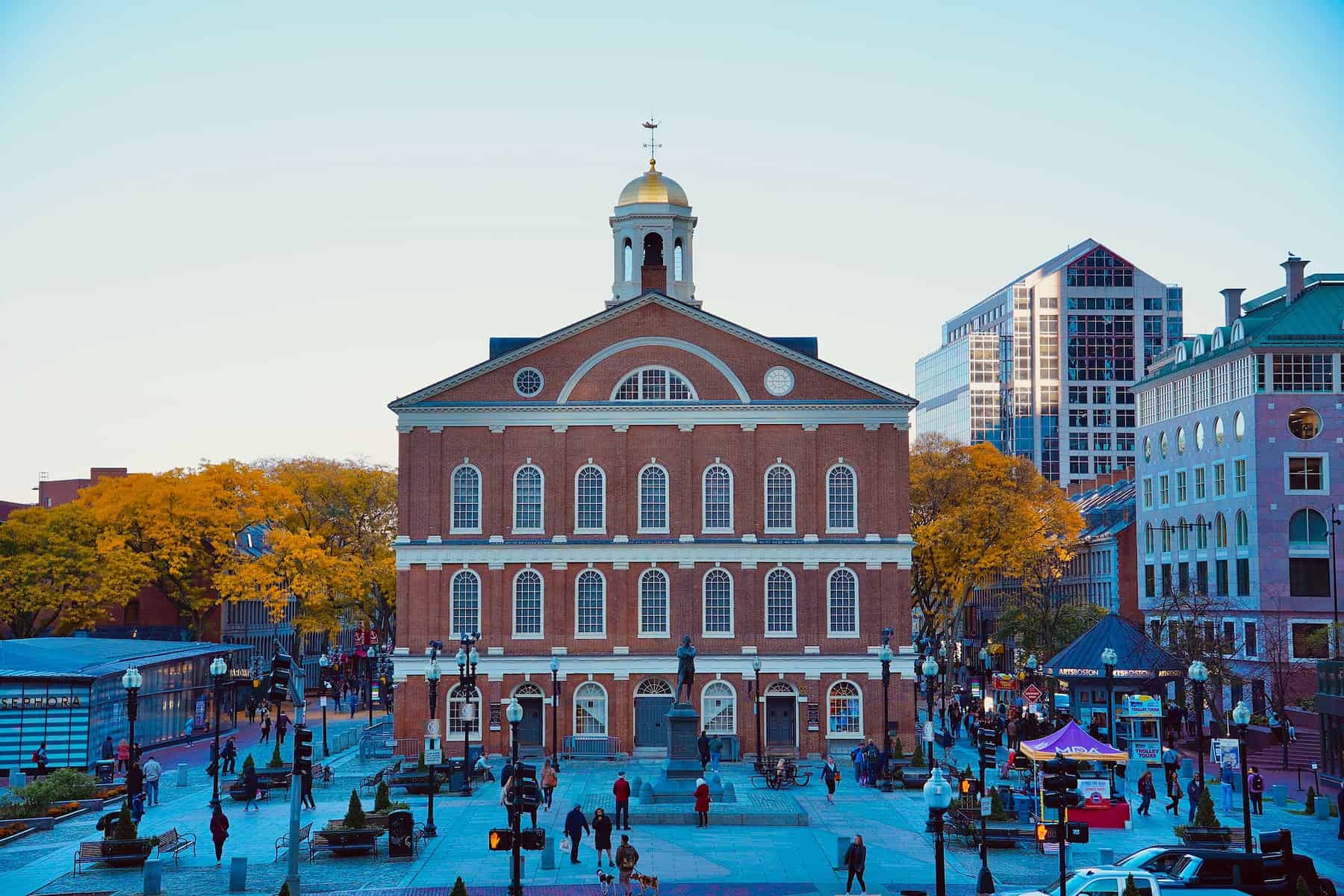
Faneuil Hall Marketplace is one of the most popular places to visit in Downtown Boston, bringing together history, food, shopping, entertainment, and some of the city's most famous landmarks.
The marketplace is made up of four historic buildings: Faneuil Hall, Quincy Market, North Market, and South Market. Faneuil Hall dates to 1742 and played an important role in Boston's history and the American Revolution, while the surrounding marketplace is now home to restaurants, food vendors, shops, street performers, and seasonal events.
Whether you're visiting Boston for the first time or exploring the city like a local, there are plenty of things to see and do at Faneuil Hall and Quincy Market.
In this guide, we'll show you how to get to Faneuil Hall Marketplace, what to see, where to eat at Quincy Market, how much time to allow for a visit, and some of the best things to do in and around the marketplace.
What Is Faneuil Hall Marketplace?
Faneuil Hall Marketplace is a historic shopping, dining, and entertainment complex in Downtown Boston. It consists of four historic buildings: Faneuil Hall, Quincy Market, North Market, and South Market.
Although people often use “Faneuil Hall” and “Quincy Market” interchangeably, they are not the same building. Faneuil Hall is the historic meeting hall, while Quincy Market is the large food hall located just behind it.
Faneuil Hall
Faneuil Hall was built in 1742 as a marketplace and meeting hall. It quickly became an important gathering place for Boston's residents and a center for political debate.
The building became known as the “Cradle of Liberty” because of the speeches, meetings, protests, and debates held here during the years leading up to the American Revolution.
Today, Faneuil Hall is part of the Boston National Historical Park and is one of the stops along the Freedom Trail. The National Park Service operates a visitor center on the lower level, and visitors can explore the historic Great Hall on the second floor.
Faneuil Hall is also home to the Ancient and Honorable Artillery Company of Massachusetts, whose museum on the fourth floor contains historic military artifacts.
Quincy Market
Quincy Market was built in the 1820s as Boston's population grew and the original Faneuil Hall marketplace could no longer accommodate the demand.
Today, Quincy Market is best known for its food hall, with vendors offering everything from New England seafood and lobster rolls to pizza, Greek food, Mexican dishes, pastries, and other international cuisines.
The market also has shops and is surrounded by pedestrian areas filled with restaurants, stores, historic buildings, and street performers.
If you're visiting Faneuil Hall Marketplace mainly to eat, Quincy Market is the place to go. If you're interested in Boston's history and the American Revolution, make time to visit Faneuil Hall as well.
North Market and South Market
North Market and South Market were constructed alongside Quincy Market in the 1820s and helped create the larger marketplace that exists today.
The buildings now contain restaurants, shops, and other businesses, while the pedestrian areas between them provide space for outdoor events and street performances.
Together, these four buildings make up Faneuil Hall Marketplace, one of the most recognizable areas in Downtown Boston.
The Buildings That Make Up Faneuil Hall Marketplace
Faneuil Hall Marketplace comprises four historic buildings: Faneuil Hall, Quincy Market, North Market, and South Market.
The oldest building, Faneuil Hall, was built in 1742 as both a marketplace and town hall.
It was originally called the "Cradle of Liberty," which makes sense after you've learned about the heated debates and protests that took place there.
Today the Hall is owned by the city of Boston. On the lower level and first floor you'll find the National Park Service Visitor Center.
On the second floor is a Great Hall. There is a museum and meeting hall run by the Ancient and Honorable Artillery Company on the 4th floor.
Given the hall's significance in American history, it's a stop along the Freedom Trail.
How to Get to Faneuil Hall Marketplace
Faneuil Hall Marketplace is located in Downtown Boston at 4 S Market St. It is within easy walking distance of the North End, Christopher Columbus Waterfront Park, Boston Harbor, and the Freedom Trail.
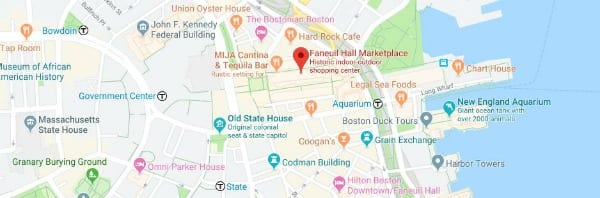
Getting to Faneuil Hall by Subway
Faneuil Hall Marketplace is served by several MBTA subway and commuter rail stations. Depending on which line you're using, the closest stops include:
- Aquarium on the Blue Line
- State on the Blue and Orange Lines
- Haymarket on the Green and Orange Lines
- Park Street on the Green and Red Lines
- North Station on the Green Line and Commuter Rail
From these stations, Faneuil Hall Marketplace is just a short walk away.
Getting to Faneuil Hall from the Boston Freedom Trail
Because of its importance in American history, Faneuil Hall is one of the stops along Boston's Freedom Trail. If you're following the Freedom Trail on your own, you can easily include Faneuil Hall and Quincy Market as part of your Downtown Boston sightseeing itinerary.
You can also visit Faneuil Hall as part of our Boston Freedom Trail walking tour, which provides more historical context about the building and its role in the American Revolution.
Getting to Faneuil Hall by Hop-On Hop-Off Bus
Boston's hop-on hop-off sightseeing buses and trolleys also stop near Faneuil Hall Marketplace. This can be a convenient option if you're planning to visit several attractions around Boston in one day.
Can You Walk to Faneuil Hall?
Yes. Faneuil Hall Marketplace is centrally located and is easy to reach on foot from many popular Boston attractions.
It's only a short walk from the North End, Boston Harbor, Christopher Columbus Waterfront Park, the New England Aquarium, and other historic sites in Downtown Boston.
Tip: If you're taking a Freedom Trail walking tour, Faneuil Hall is already included on the route, making it easy to combine sightseeing with a visit to Quincy Market.

How Much Time Do You Need at Faneuil Hall and Quincy Market?
Plan to spend at least 1–2 hours at Faneuil Hall Marketplace if you want to explore the historic buildings, grab something to eat at Quincy Market, and browse the shops.
If you're having a full meal or want to attend an event or watch the street performers, you could easily spend 2–3 hours in the area.
Here's one way to plan your visit:
Start with the history. If you're exploring Boston's Freedom Trail, begin with a visit to historic Faneuil Hall. Take some time to see the Great Hall and learn about the meetings, speeches, and debates that helped earn the building its nickname, the “Cradle of Liberty.”
Head to Quincy Market for lunch. Walk through the food hall before deciding what you'd like to eat. With numerous vendors offering different types of cuisine, taking a look at all your options first can help you choose.
Explore the marketplace. After lunch, browse the shops and pedestrian areas around Quincy Market. This is also a good time to look for souvenirs and see what events or performances are taking place.
Look for street performers. The open-air areas around Faneuil Hall Marketplace frequently feature musicians, dancers, and other performers. The entertainment is free to watch and can be especially fun for families with children.
Continue exploring Downtown Boston. Faneuil Hall Marketplace is close to several other popular attractions, including the North End, Christopher Columbus Waterfront Park, Boston Harbor, and the New England Aquarium, so it's easy to combine your visit with other Boston sightseeing.
If you aren't planning to eat, shop, or visit Faneuil Hall itself, you can walk through the marketplace in about an hour. However, if you're interested in the history and want to have a meal at Quincy Market, give yourself several hours.
10 Best Things to Do at Faneuil Hall & Quincy Market
There is more to Faneuil Hall Marketplace than shopping and food. You can explore an important piece of Boston history, visit Quincy Market, watch street performers, find free entertainment, and use the marketplace as a starting point for exploring Downtown Boston.
Here are some of the best things to do at Faneuil Hall and Quincy Market.
1. Eat at Quincy Market
One of the biggest draws of Faneuil Hall Marketplace is Quincy Market, the historic food hall located directly behind Faneuil Hall.
Inside, you'll find food vendors serving everything from New England seafood and lobster rolls to pizza, Greek food, Mexican dishes, pastries, and other international specialties.
If you're not sure what you want to eat, walk through the market first and check out the different vendors before choosing your meal.
For more dining options, there are also restaurants located throughout Faneuil Hall Marketplace and the surrounding area.
2. Go Shopping
Faneuil Hall Marketplace is a popular place to shop for clothing, jewelry, souvenirs, specialty gifts, and other items.
You'll find a mixture of independent retailers and familiar national brands, along with shops selling Boston-themed merchandise. The pedestrian areas between the historic buildings also make it easy to browse while exploring the marketplace.
If you're looking for a souvenir of your trip to Boston, this is one of the easiest places to shop in Downtown Boston.
3. Take a Walking Tour of Faneuil Hall
Faneuil Hall Marketplace is one of the historic stops you'll encounter while exploring Boston's Freedom Trail. A walking tour is a great way to learn about Faneuil Hall, Quincy Market, and the surrounding historic district while seeing the area with a local guide.
If you'd like to explore Boston's historic sights with a guide, check out our Boston walking tours.
You can also find other sightseeing options that visit or pass near Faneuil Hall, including hop-on hop-off buses and trolleys.
4. Watch the Street Performers
The pedestrian areas around Faneuil Hall Marketplace are known for their street performers.
Depending on when you visit, you may see musicians, singers, dancers, magicians, and other performers entertaining visitors in the square.
The performances are free to watch, making this an easy addition to your Boston itinerary. Families with children often enjoy stopping here for some entertainment while exploring the marketplace.
5. Save Money with a Boston Tourist Pass
If you're planning to visit several paid attractions in Boston, a tourist pass may help you save money.
Boston sightseeing passes bundle admission to multiple attractions into one purchase. Depending on the attractions you choose, a pass can be a good value for visitors who plan to see several museums, historic sites, tours, or other attractions during their stay.
Before buying a pass, compare the attractions included with the ones you actually plan to visit. Our Boston tourist pass comparison can help you decide whether a pass makes sense for your itinerary.
6. Visit the Ancient and Honorable Artillery Company Museum
The Ancient and Honorable Artillery Company of Massachusetts has a museum on the fourth floor of Faneuil Hall. The collection includes historic uniforms, medals, weapons, and other artifacts connected to the organization's long history.
The museum provides another perspective on Boston's military and Revolutionary-era history and is an interesting stop for anyone who wants to learn more about the people and events connected to Faneuil Hall.
Admission to the museum is free, although hours and access can vary. Check the Ancient and Honorable Artillery Company website before visiting.
7. Enjoy the Free Entertainment
One of the most entertaining things to do at Faneuil Hall Marketplace doesn't cost anything.
Street performers and musicians entertain visitors throughout the pedestrian areas around Quincy Market. Performances can include music, comedy, magic, juggling, circus acts, and other types of variety entertainment.
The marketplace currently promotes daily entertainment, although individual performers and schedules vary. Check the street performer schedule if you'd like to plan your visit around a particular show.
8. Look for Family Activities
If you're visiting Boston with kids, check the Faneuil Hall Marketplace calendar for family-friendly events and activities taking place during your visit.
Faneuil Hall Marketplace regularly hosts seasonal programming and entertainment that can be fun for families, and the open pedestrian areas give children plenty of space to explore while you take in the historic surroundings.
Because the schedule changes throughout the year, check the Faneuil Hall Marketplace events calendar for current activities and dates.
For more ideas, see our guide to family-friendly things to do in Boston.
9. See the Holiday Lights at Faneuil Hall Marketplace
During the holiday season, Faneuil Hall Marketplace is decorated with thousands of lights, holiday trees, and festive displays. The centerpiece is the marketplace's seasonal light show, with the lights choreographed to music.
The light show is typically presented during the holiday season, with multiple performances in the evening. Dates and show times vary from year to year, so check the Faneuil Hall Marketplace events calendar for the current schedule before you visit.
10. Find Free Things to Do Nearby
Faneuil Hall Marketplace is surrounded by historic sites, museums, parks, and other attractions that can be explored without spending a lot of money.
If you're looking for more ways to save money while sightseeing, see our guide to Free Museums in Boston for a list of museums and cultural attractions offering free admission or free visiting opportunities.
You can also continue exploring the Freedom Trail and nearby historic neighborhoods, including the North End and Downtown Boston.
Where to Eat at Faneuil Hall and Quincy Market
One of the main reasons people visit Faneuil Hall Marketplace is to eat. Quincy Market is home to a large collection of food vendors, making it an easy place to find something for everyone in your group.
The Quincy Market Food Colonnade currently includes vendors serving seafood, pizza, pasta, Greek food, poke, sandwiches, desserts, and other quick meals. There are also sit-down restaurants and pubs elsewhere in Faneuil Hall Marketplace.
What to Eat at Quincy Market
If you're looking for classic Boston and New England foods, seafood is an obvious choice. Boston Chowda, Boston & Maine Fish Company, Oyster Bar, and Wicked Lobsta all offer seafood options, including Boston favorites such as clam chowder and lobster.
For something other than seafood, you'll find plenty of alternatives. Regina Pizzeria serves pizza, while Steve's Greek Cuisine offers Greek favorites. There are also options such as pasta, poke, mac and cheese, salads, desserts, and more.
If you're visiting with a group, Quincy Market is particularly convenient because everyone can choose something different and you can eat in the shared food-hall space.
Restaurants at Faneuil Hall Marketplace
You don't have to eat inside Quincy Market. Faneuil Hall Marketplace also has several restaurants and pubs in the surrounding historic buildings.
Current options include The Salty Dog and Ned Devine's Irish Pub in the Quincy Market building, as well as restaurants in the North and South Market buildings.
Because restaurants and food vendors can change, it's a good idea to check the current Faneuil Hall Marketplace dining directory before your visit.
Tips for Visiting Faneuil Hall Marketplace
A little planning can make your visit to Faneuil Hall and Quincy Market much easier. Here are a few things to know before you go. Our Boston Travel Tips Facebook group is a great place to ask a question.
Check the Hours Before You Visit
The marketplace's current posted hours are 10 am–9 pm Monday through Saturday and 11 am–7 pm on Sunday, although individual restaurants, shops, and holiday events may have different hours.
If you're specifically planning to visit the historic Faneuil Hall, check the National Park Service schedule as its hours are different from those of the marketplace. The Great Hall may also close when private or city events are taking place.
Visit Faneuil Hall, Not Just Quincy Market
It's easy to arrive at Faneuil Hall Marketplace, walk through Quincy Market, grab something to eat, and leave without seeing the historic hall itself.
If you're interested in Boston history, make sure to go inside Faneuil Hall. The National Park Service operates a visitor center there, and the Great Hall on the second floor is open to visitors when not being used for an event. Admission is free.
Give Yourself Extra Time for Food
Quincy Market is a popular place to eat, particularly around lunchtime. If you're visiting with a group, remember that everyone can choose from different vendors and then meet in the common seating areas.
If you have your heart set on a particular restaurant or food vendor, check its current hours separately because individual businesses may have schedules that differ from the marketplace.
Look for Street Performers
The pedestrian areas around Faneuil Hall Marketplace are known for their street performers and musicians. The marketplace currently promotes daily entertainment, although the performers and schedule can vary.
If you enjoy live entertainment, leave some time in your itinerary to stop and watch a performance.
Be Aware of Your Belongings
Faneuil Hall Marketplace can become very crowded, especially during busy sightseeing periods. As you would in any crowded tourist area, keep an eye on your purse, wallet, phone, and other valuables.
Use Faneuil Hall as a Starting Point for Sightseeing
Faneuil Hall Marketplace is conveniently located for exploring several other Boston attractions. From here, you can walk to the North End, Boston Harbor, Christopher Columbus Waterfront Park, the New England Aquarium, and other sites along the Freedom Trail.
This makes Faneuil Hall and Quincy Market easy to combine with other Downtown Boston sightseeing rather than treating them as a separate half-day destination.
Don't Forget the Grasshopper Weather Vane
Look up when you visit Faneuil Hall and you'll see the famous grasshopper weather vane atop the building.
The gilded copper grasshopper has become one of Boston's most recognizable symbols. It's also associated with an old Boston tradition: the weather vane was reportedly used as a kind of spyglass during the Revolutionary era, with people looking to see whether a British ship was approaching the harbor.
Consider Visiting as Part of a Freedom Trail Tour
Faneuil Hall is one of the most historically important stops on Boston's Freedom Trail. A guided walking tour can provide context about the building, the people who gathered here, and its connection to the American Revolution.
If you're already planning to visit Quincy Market, adding a Freedom Trail tour can be an efficient way to combine sightseeing, history, and a visit to one of Boston's most famous landmarks.
History of Faneuil Hall and Quincy Market
Faneuil Hall and Quincy Market have been at the center of Boston's commercial and civic life for nearly 300 years. Although they are now part of the same marketplace, the buildings have different histories.
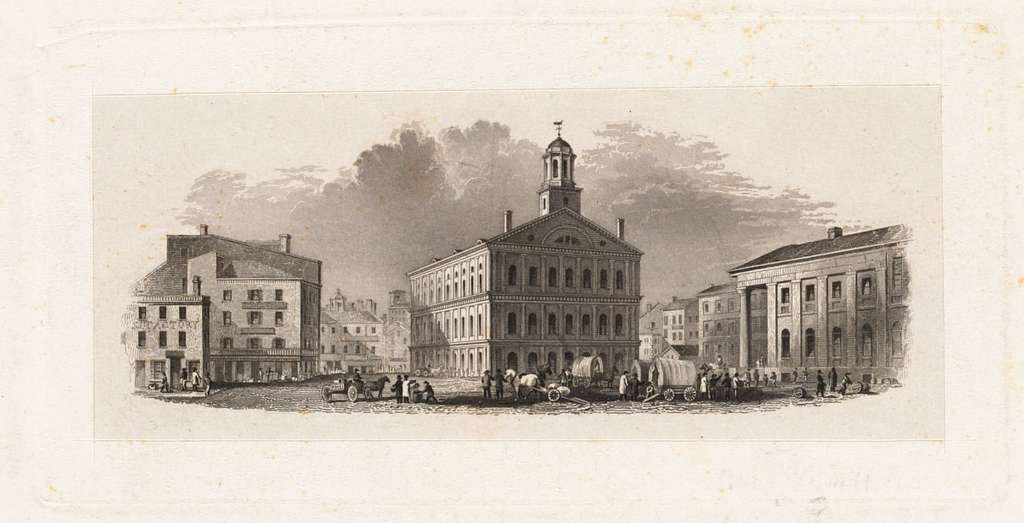
Faneuil Hall Is Built in 1742
Faneuil Hall was built in 1742 after wealthy Boston merchant Peter Faneuil offered to fund a public market and meeting hall for the city. The building was designed by architect John Smibert and originally served as both a marketplace and a meeting place.
The hall quickly became an important gathering place for Boston residents, and its location made it a natural center for trade, public meetings, and political debate.
Peter Faneuil's legacy is complicated. His wealth was connected to Boston's transatlantic trade, including the trafficking and enslavement of African people. The building that bears his name therefore represents both an important part of Boston's history and a difficult chapter in the city's past.
Faneuil Hall and the American Revolution
During the years leading up to the American Revolution, Faneuil Hall became an important meeting place for colonists who opposed British policies.
Boston leaders and revolutionaries, including Samuel Adams and James Otis, spoke at meetings held here. The building became known for its role in public debate and resistance to British rule, earning the nickname “Cradle of Liberty.”
Today, Faneuil Hall remains one of the historic sites along Boston's Freedom Trail.
Fire and Expansion
Faneuil Hall was damaged by fire in 1761 and was rebuilt. As Boston's population grew, the building was expanded in the early 1800s under the direction of architect Charles Bulfinch.
The larger Faneuil Hall continued to serve as a marketplace and meeting place, but Boston was quickly outgrowing the original market facilities.
Quincy Market Opens in 1826
To provide additional space for Boston's growing market, Mayor Josiah Quincy proposed a new market building east of Faneuil Hall.
Construction of Quincy Market began in the 1820s, with architect Alexander Parris designing the building. Quincy Market opened in 1826 with more than 100 stalls selling meat, fish, produce, and other goods.
The new market was connected to Faneuil Hall by the surrounding streets and market buildings. North Market and South Market were also constructed soon afterward, creating the larger market district that would eventually become known as Faneuil Hall Marketplace.
From Market District to Faneuil Hall Marketplace
For more than a century, the buildings served primarily as Boston's central marketplace. By the middle of the 20th century, however, the historic market buildings had fallen into disrepair and faced the possibility of redevelopment.
In the 1970s, the area was restored and transformed into a festival marketplace. The project preserved the historic buildings while introducing restaurants, shops, food vendors, and entertainment.
The result is the Faneuil Hall Marketplace visitors see today — a combination of historic Boston buildings and a busy destination for dining, shopping, entertainment, and sightseeing.
RELATED POSTS:
- Free Things to Do in Boston
- Boston Walking Tours
- Tourist Passes in Boston
- Boston Bus Tours
- Harbor Boat Tours
- Self-Guided North End Tour
- Boston Freedom Trail Guide