

For roughly 45 years, Germany was split in two.
And nowhere was this division felt more than here in Berlin.
So, in this post (and video), I’m going to show you many of the landmarks, museums, and memorials that tell the stories of this separation.
Most visitors focus on just a few famous attractions, seemingly unaware of the breadth of the options available to those looking for a deeper dive.
And I bet that I’ll mention a few you weren’t already aware of.
So, let’s get started.
LIFE IN THE GDR
So, I’ve broken these sights down into 3 sections: everyday life, the wall and border, and how the occupied powers interacted.
And for the first topic, there’s a good chance that you are familiar with our first sight, the DDR Museum.
DDR MUSEUM
DDR stands for the Deutsche Demokratische Republik, better known in English as the GDR.
This museum focuses on life in the GDR, everything from consumer goods and accommodations to the darker side of living in a politically repressive system.
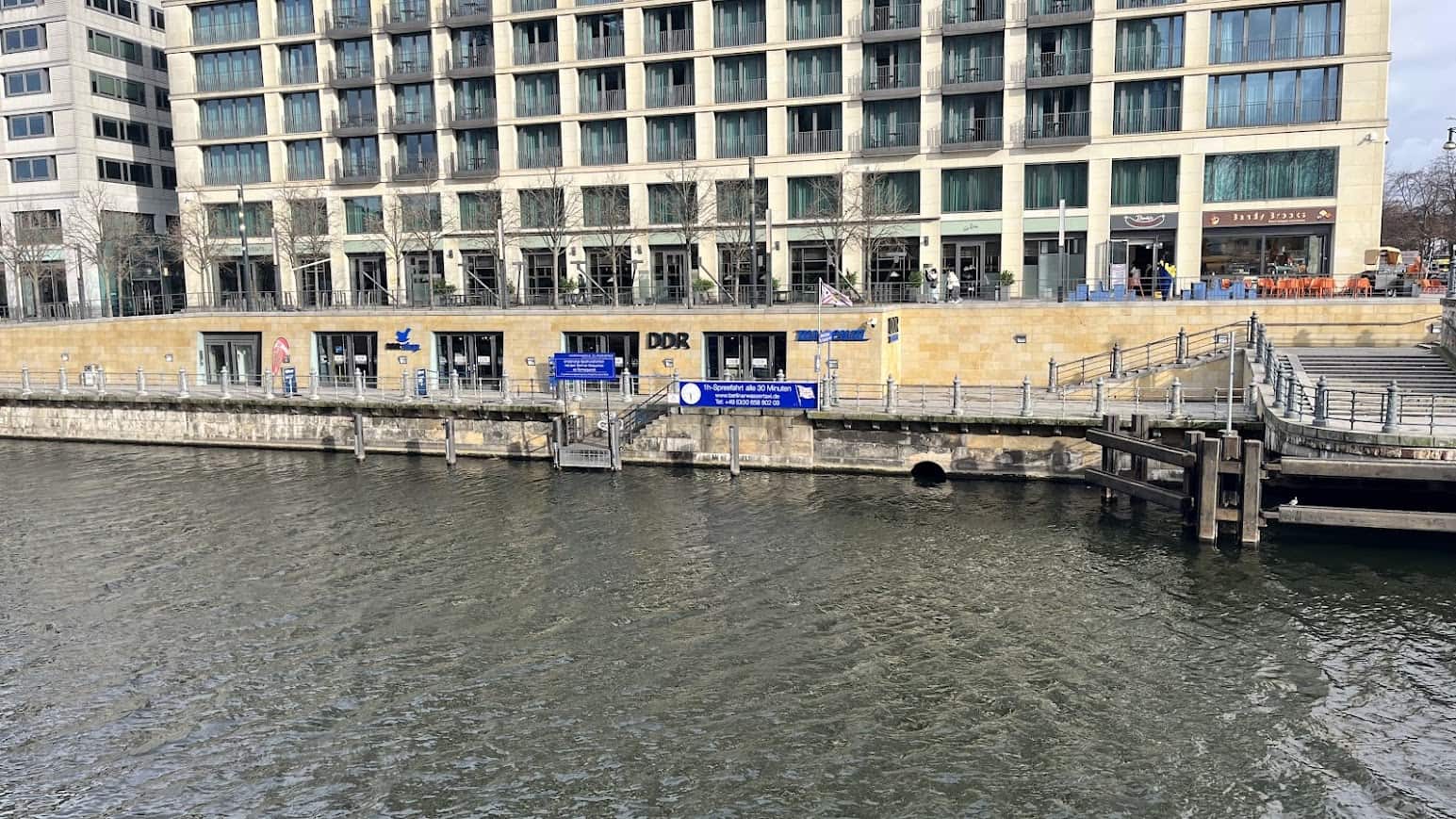
It’s an interactive museum, great for families, and it’s centrally located, just across from Museum Island.
There is even a model Trabant, the GDR’s iconic automobile, which you could get into and play a drive simulator.
It covers a wide range of topics, but nothing is covered in exhaustive detail.
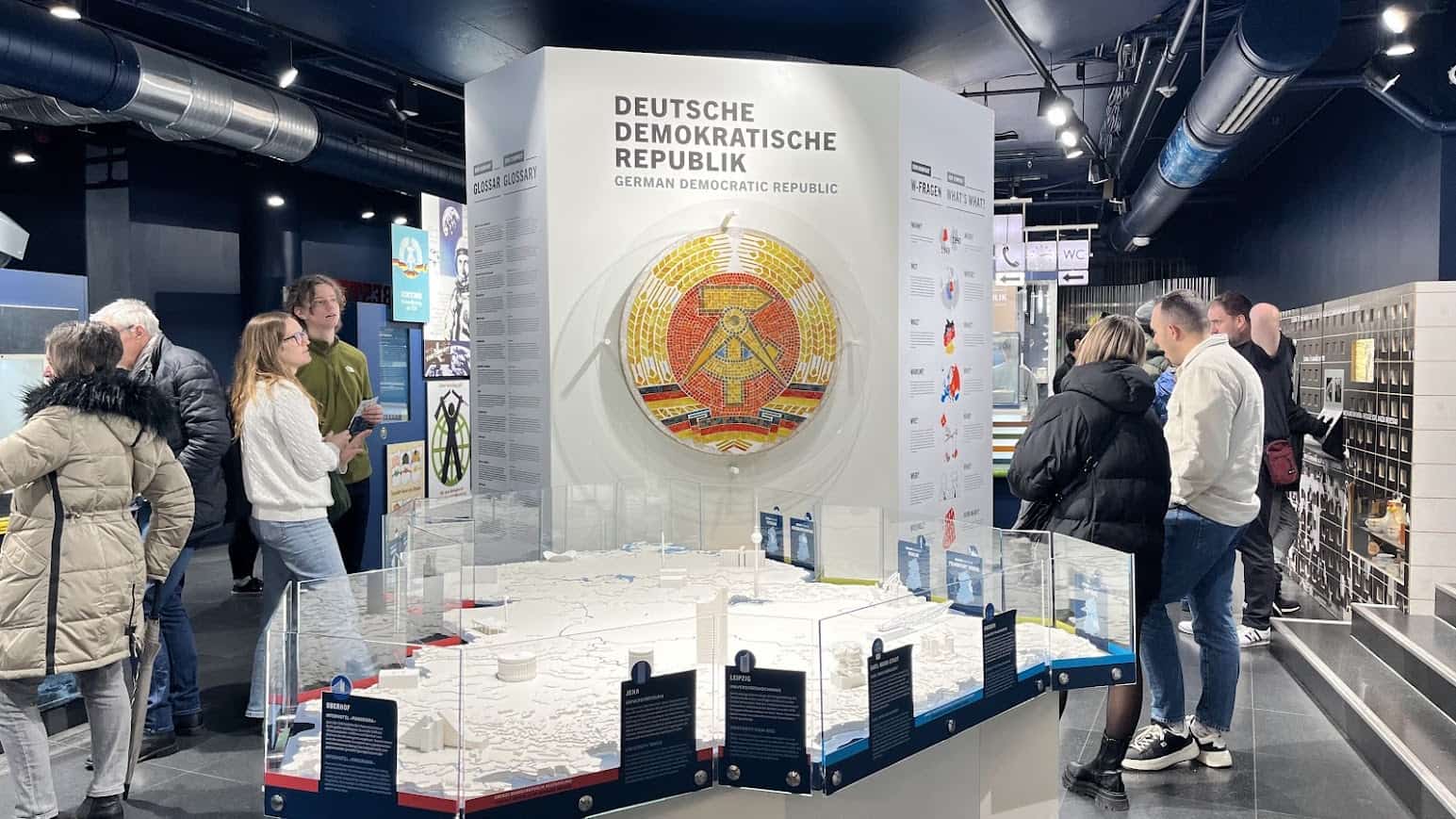
At the time of recording, it costs €12/adult to enter, but it’s included in the Berlin Welcome Card and other tourist passes, something I’ll mention a ew times.
It’s a good one-stop shop if you don’t want to or have the time to dive in deeper.
KULTURBRAUERI
The DDR Musuem near Museum Island is probably the most famous location in Berlin for a dose of the GDR.
If a more serious look into the daily lives of GDR citizens is what you are after, then the Museum in der Kulturbraueri might be your better option.
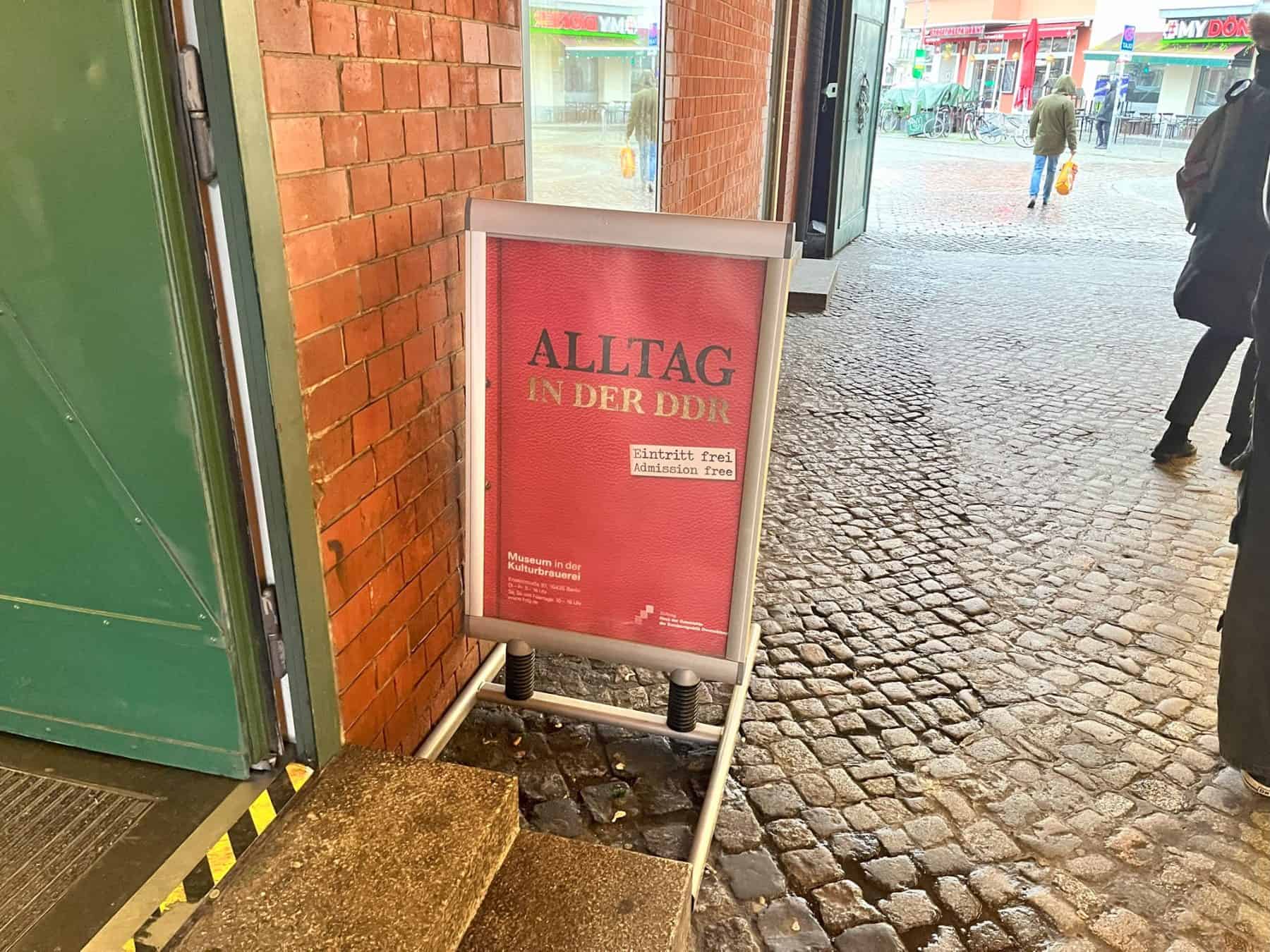
And it’s free for everyone.
Located in the trendy Prenzlauerberg neighborhood and inside the stables of a former 19th-century brewery.
This museum’s featured exhibit takes a more critical look at the reality of everyday life in the GDR compared to the propaganda and promises of the regime.
It focuses on the shortfalls of the GDR’s transformation into a Soviet-style, socialist society and why its heavy-handed methods led to its downfall.
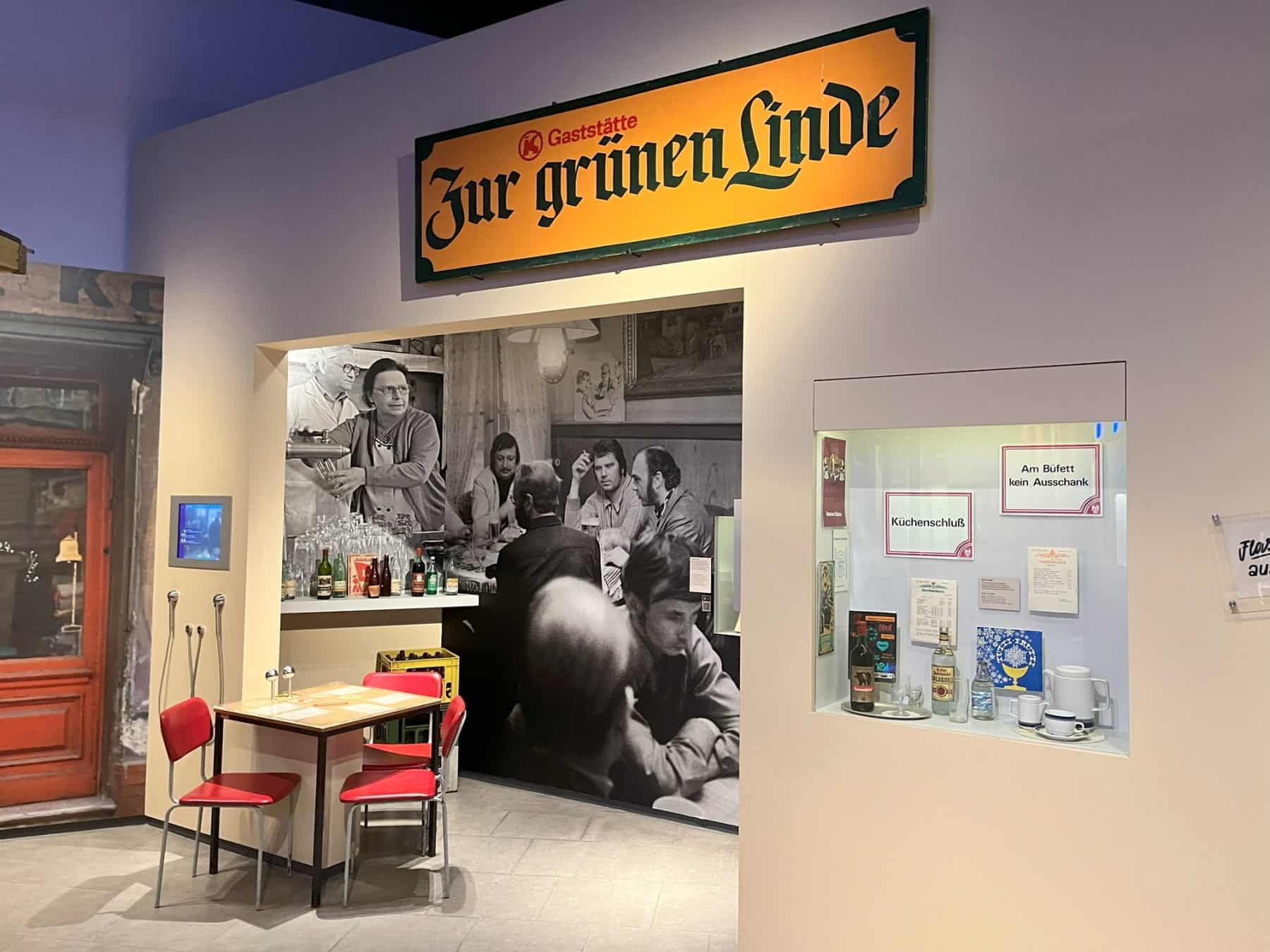
Though less interactive than the DDR Museum, this exhibit uses documents, film and sound recordings, and biographical reports to tell a rather complex story.
If the DDR Museum is more like Star Wars, then this exhibit is more like Star Trek, for lack of a better analogy.
If you really want to understand the why of the GDR, then I recommend this museum.
And if your kids are old enough to have homework in school, then it’s probably OK to bring them along as well.
STASI MUSEUM
A visit to the Stasi Museum is a real deep dive into a dark aspect of life in the GDR.
Stasi is short for the Ministerium für Staatssicherheit, or the Ministry for State Security.
The Stasi was infamous for its extensive surveillance operations.
This included spying on East German citizens, infiltrating almost every aspect of daily life, and using informants to maintain control over the population.
The museum, which is located in the former Stasi headquarters, is only a 15-minute ride on the U5 from Alexanderplatz.
Entry for adults is €10, and the museum is included on passes such as the Berlin Welcome Card.
The museum unveils the oppressive tactics used by the Stasi to accomplish this control.
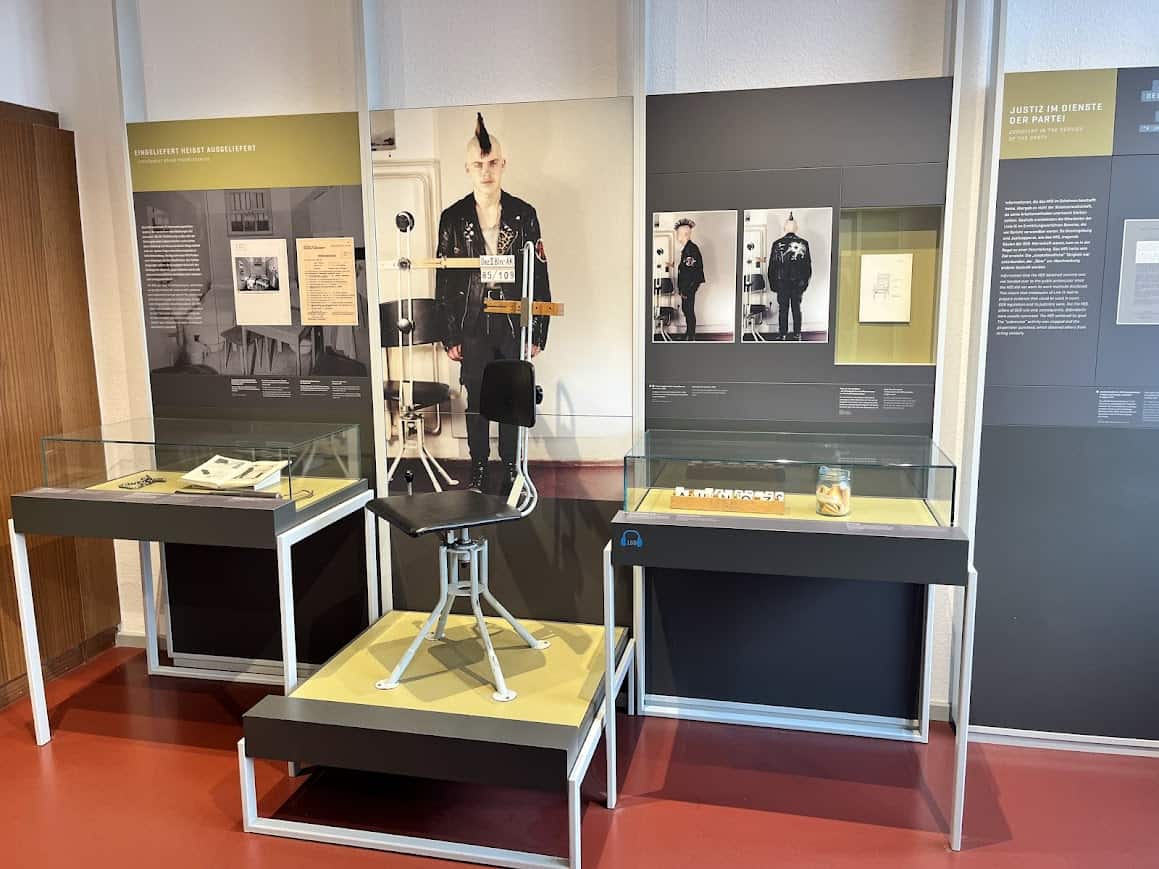
You can see interrogation rooms, surveillance equipment, propaganda material, as well as examples of archival records on GDR citizens.
You can also visit the offices of long-time Stasi chief Eric Mielke.
Now, that’s not an experience you can find in just any city.
TRABI MUSEUM
A fun way to take a look at life in the GDR is to make a visit to the Trabi Museum.
The Trabant was the iconic car of the GDR, East Germany’s version of the Volkswagon Beetle.
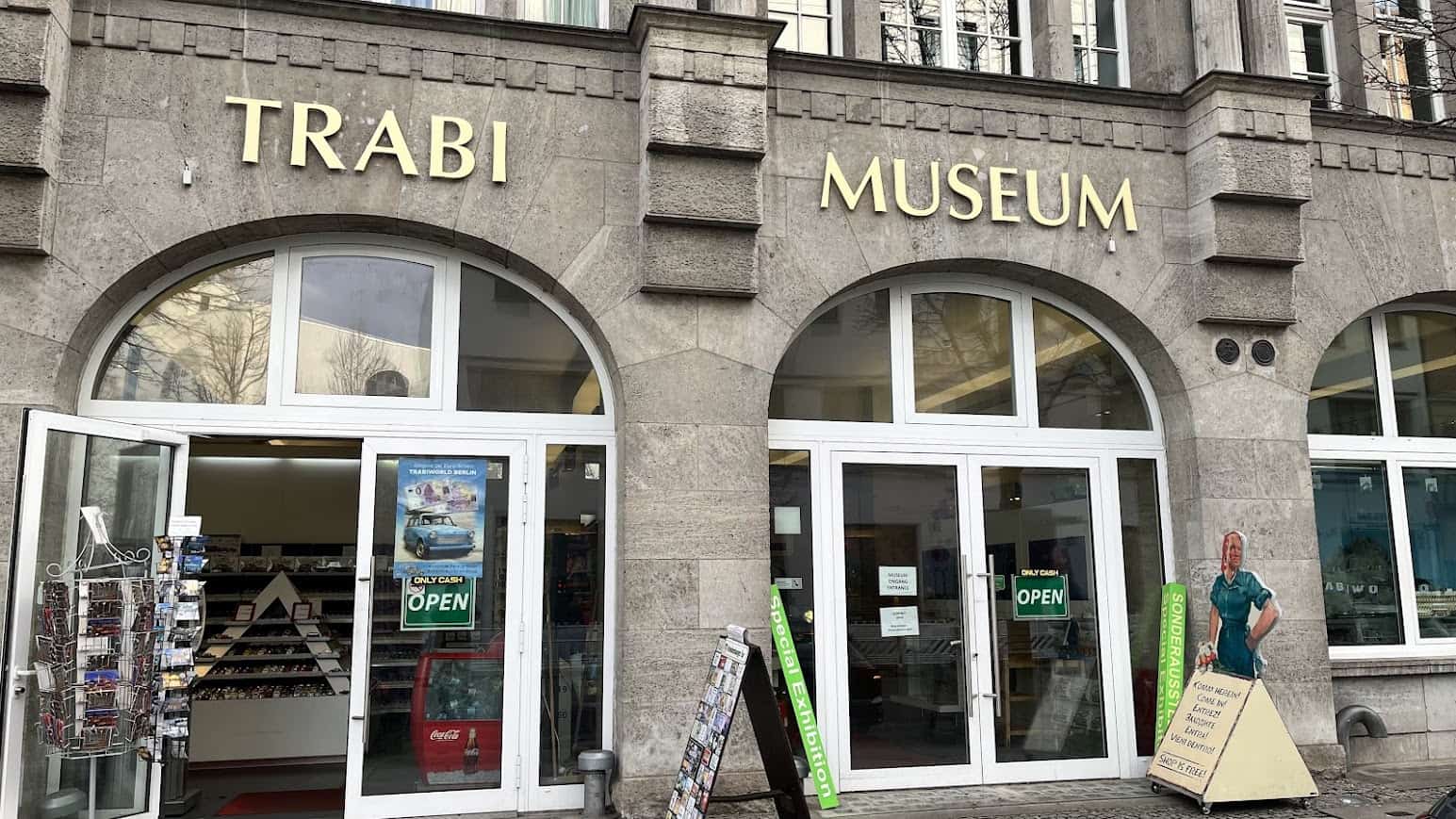
On display are a number of Trabis, including limited edition models as well as some custom varieties.
You’ll learn about it’s production and it’s quirky 2-stroke engine.
You will also learn about it’s production delays resulting in waits of 10 years on average.
And the options were very limited.
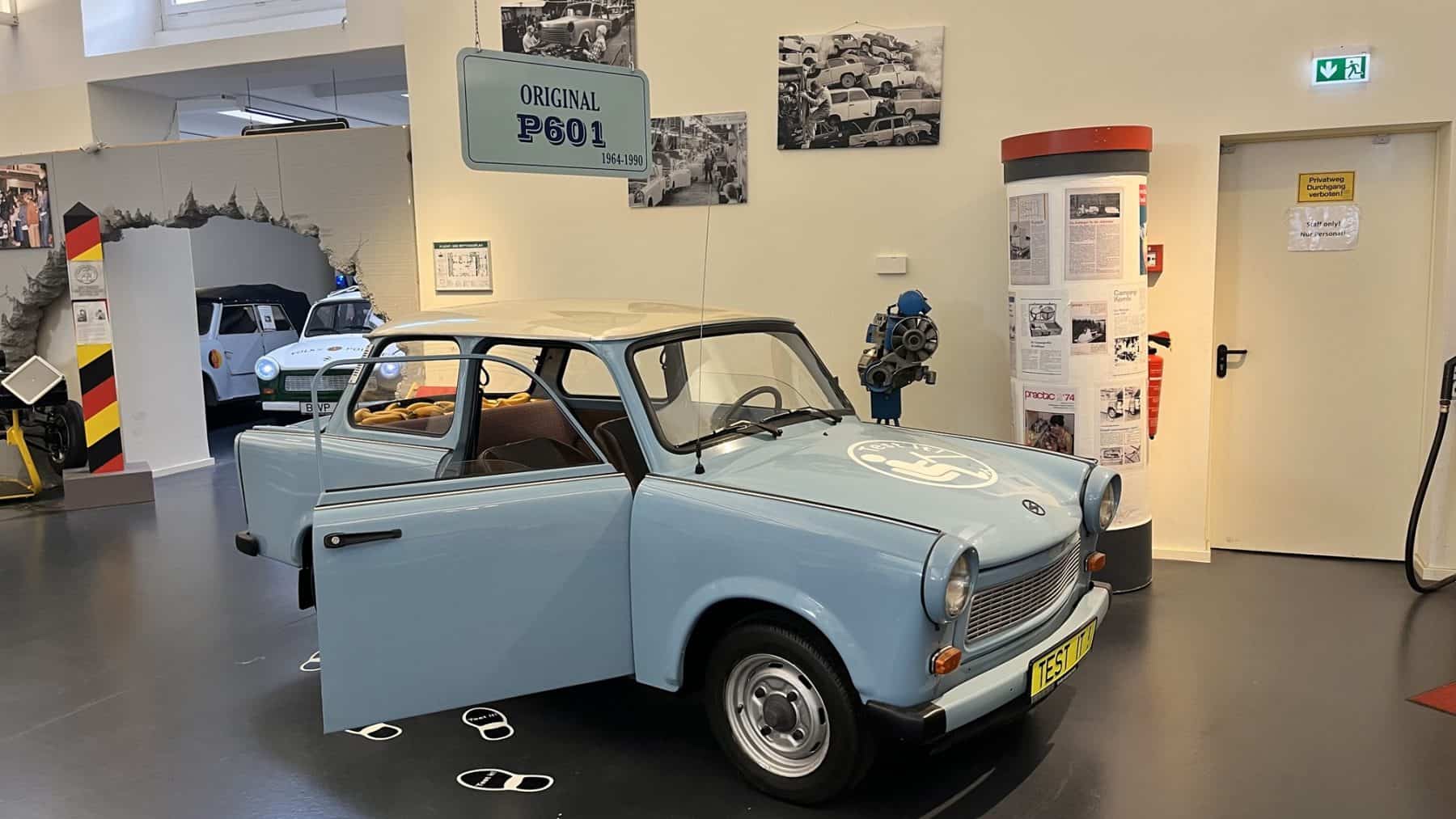
Borrowing from Henry Ford, you could have any model you wanted as long as it was THE model being offered.
You can pair your visit to the museum with a visit to Trabi World, where you can book the Trabi Safari and make your way through Berlin on 26 horsepower.
At the time of filming, an adult ticket costs €9 and the museum is usually included in all of Berlin’s discount passes.
HELLERSDORF APARTMENT
OK. This last one might be a far fetch for most, but I have to mention it.
In the Berlin district of Hellersdorf is an apartment frozen in GDR time.
Located in a typical "Plattenbau" (prefabricated concrete apartment building), the museum recreates an authentic living space.
Everything is original GDR, including furniture, appliances, rugs, wallpaper, children’s toys, televisions, you name it.
Unfortunately, it’s only open on Sundays between 2 and 4 pm, but it is free to enter.
UNDERSTANDING THE BARRIER AND BORDER CROSSINGS
EAST SIDE GALLERY AND BERLIN WALL MUSEUM
There’s no denying it. The East Side Gallery is likely high up on your bucket list as a first-time visitor to Berlin.
At 1.3 km long (almost a mile), it’s the longest extent piece of the Berlin Wall found in Sitio.
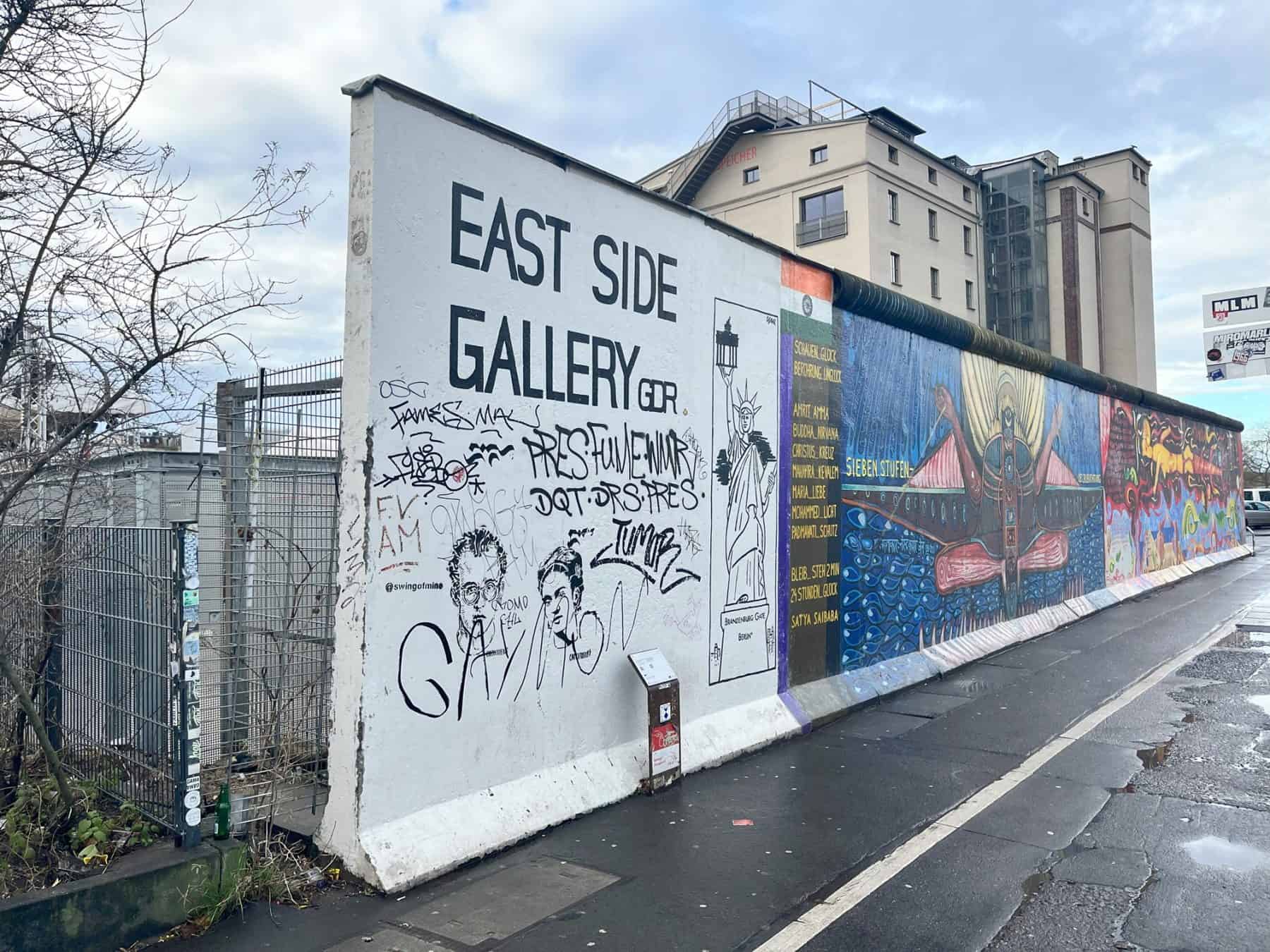
It’s an open-air art gallery, the largest of its kind in the world.
On display are roughly 100 pieces of artwork, many originally painted in 1990 just after the wall fell.
It’s filled mostly with political messages and messages of unity.
It’s located in between Warschauer Strasse and Ostbanhof train stations.
Ironically, this strip is a part of the interior wall, the wall that faced East Berlin, and it would not have had graffiti or any paintings at all during the city’s division.
The outer wall, which faced West Berlin, actually never existed here, as the River Spree formed a boundary instead.
BERLIN WALL MEMORIAL
This is the first location that you must consider visiting if you really want to learn about this border crossing.
Bernauer Strasse was witness to some of the most dramatic early attempts of escape and became a symbolic area for resistance to the wall and the regime behind it.
And shortly after the Wall fell in 1989, locals here organized to save at least a small section from wall peckers and land developers.
And thus, the Berlin Wall Memorial was born.
It stretches 1.5 kilometers and consists of four sections.
The memorial explains the border construction, development, and maintenance.
It also covers how the barrier blocked off streets, removed buildings, churches, cemeteries, anything that got in its way.
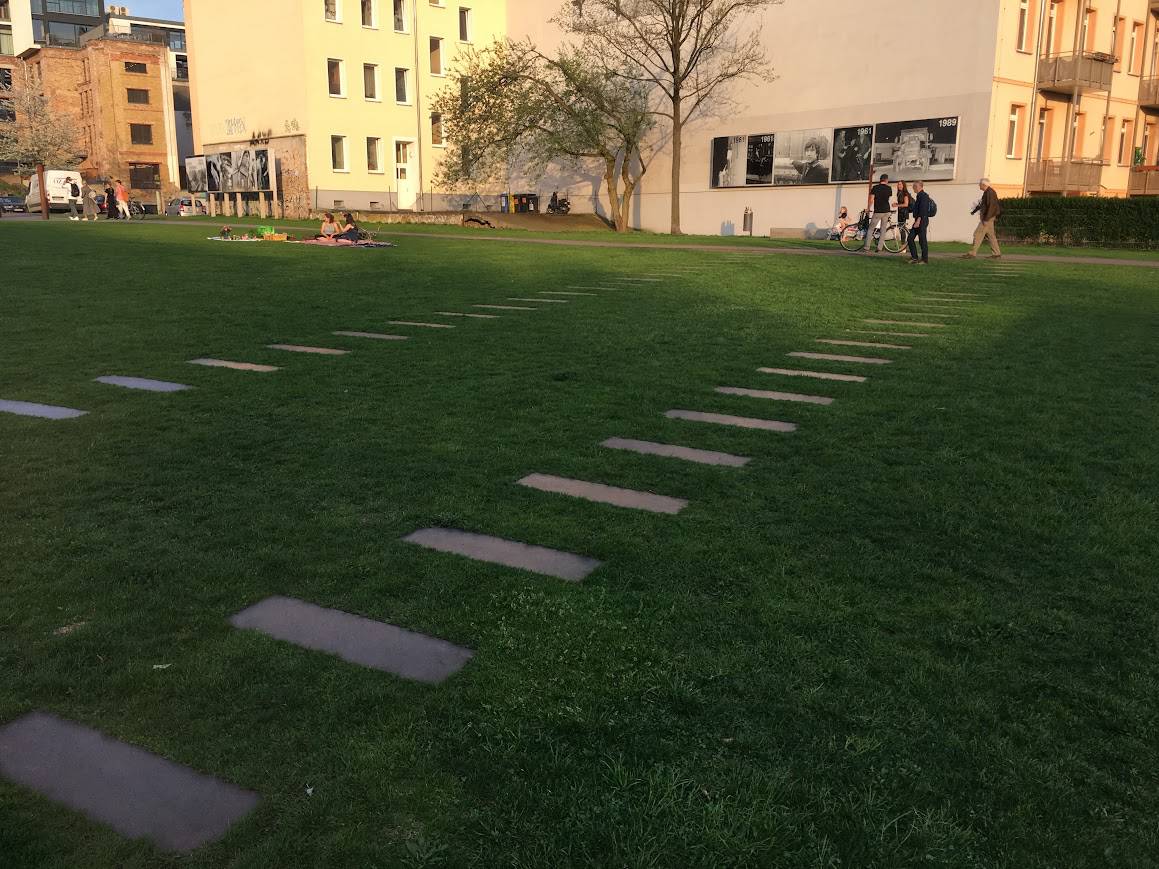
Most notably, the memorial contains the Monument, a relatively well-preserved section of the intact border wall system, containing both an inner and outer wall, the death strip, and a watchtower.
And more than a fair share of the escape tunnels bored their way underneath Bernauer Strasse, and you will learn how these tunnels were dealt with.
Most importantly, it honors the victim of the GDR regime, and in particular, those who died trying to escape to West Berlin
There is no cost to visit the memorial.
And you can visit the outdoor exhibit any day of the week.
There is also a visitor center and a documentation center.
GHOST STATIONS
If you are planning to visit the Berlin Wall Memorial, then be sure not to miss the complementary exhibit inside right next door at Nordbahnhof station, called Border and Ghost Stations.
Nordbahnhof Station was one of 16 stations on 2 U-bahn and S-bahn lines that were located either on the border between East and West Berlin or completely inside of East Berlin.
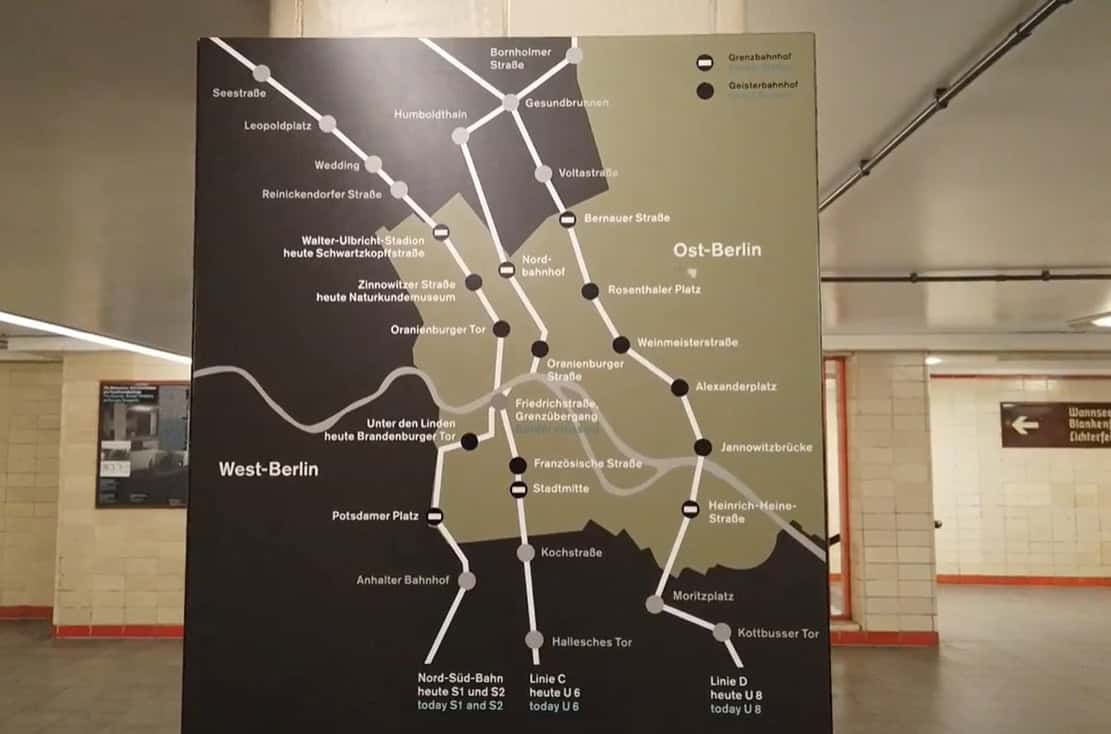
The lines all started in West Berlin, passed through the East, and then returned to the West.
Nordbahnhof was a ghost station, which meant that nobody got on or off the train here.
The trains just passed through with West Berlin passengers.
The name ghost station was coined by West Berliners due to the sinister atmosphere in these dimly lit and heavily patrolled stations.
Inside is an exhibit explaining how the East German government sealed off these tunnels to stop escape attempts from citizens, rail workers, and even guards themselves.
It also covers how citizens from both East and West Berlin experienced these ghost stations.
BERLINER UNTERWELTEN TOURS
Exploring, conserving, and educating the public about Berlin's underground infrastructure is the mission of Berliner Unterwelten, a nonprofit organization.
This infrastructure consists of tunnels for water, sewer, gas, and electricity, as well as railways.
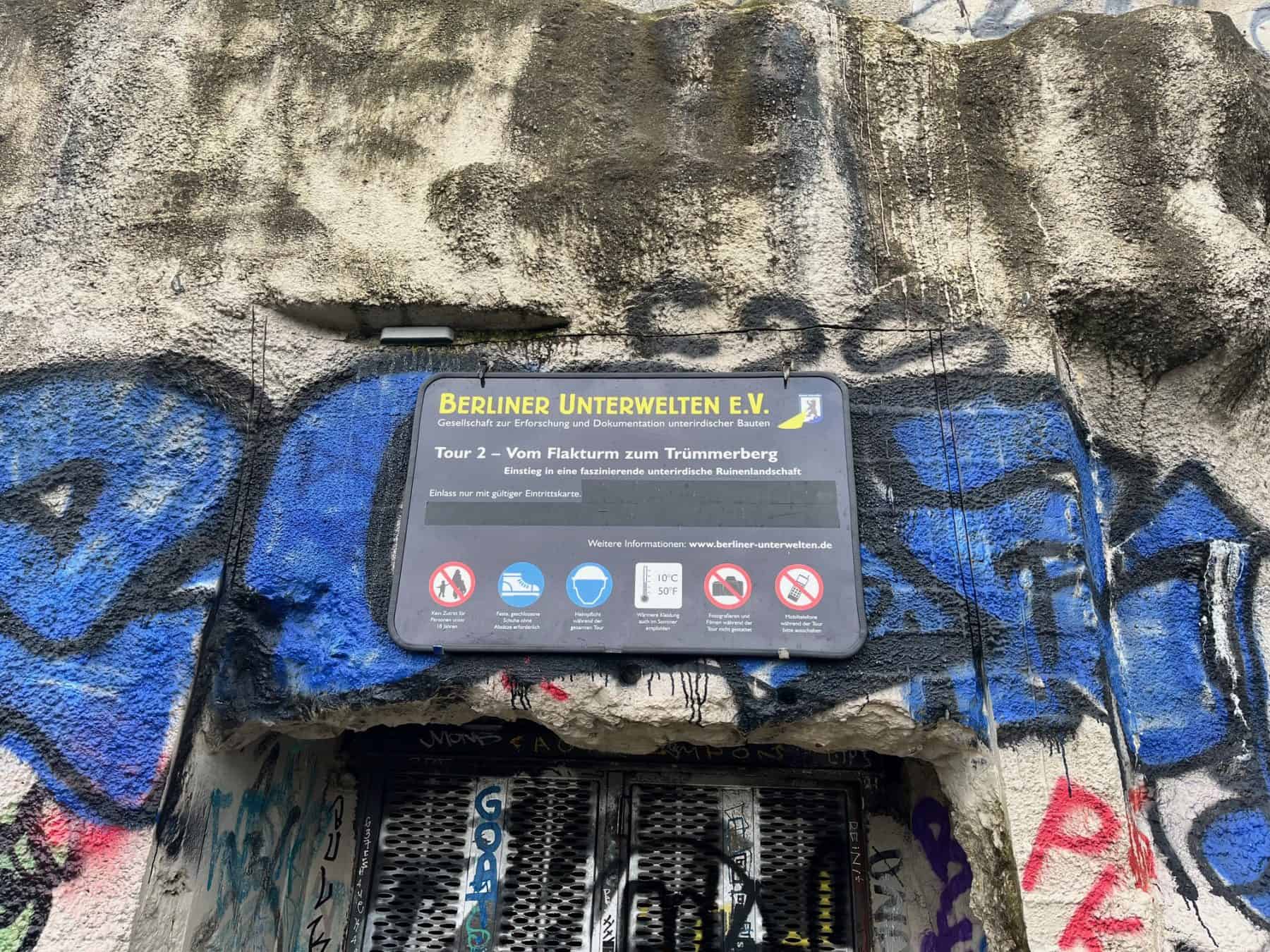
But it also includes caverns, bunkers, air raid shelters, and other underground construction from many historical periods, especially World War II and the Cold War.
The organization offers 2 guided tours, which are particularly focused on the Cold War era.
Tour #3 covers the Cold War and how the underground was used as nuclear shelters.
Tour M covers how the underground was used to get past the Berlin Wall, including a chance to see an actual tunnel that was dug here, underneath the Berlin Wall Memorial.
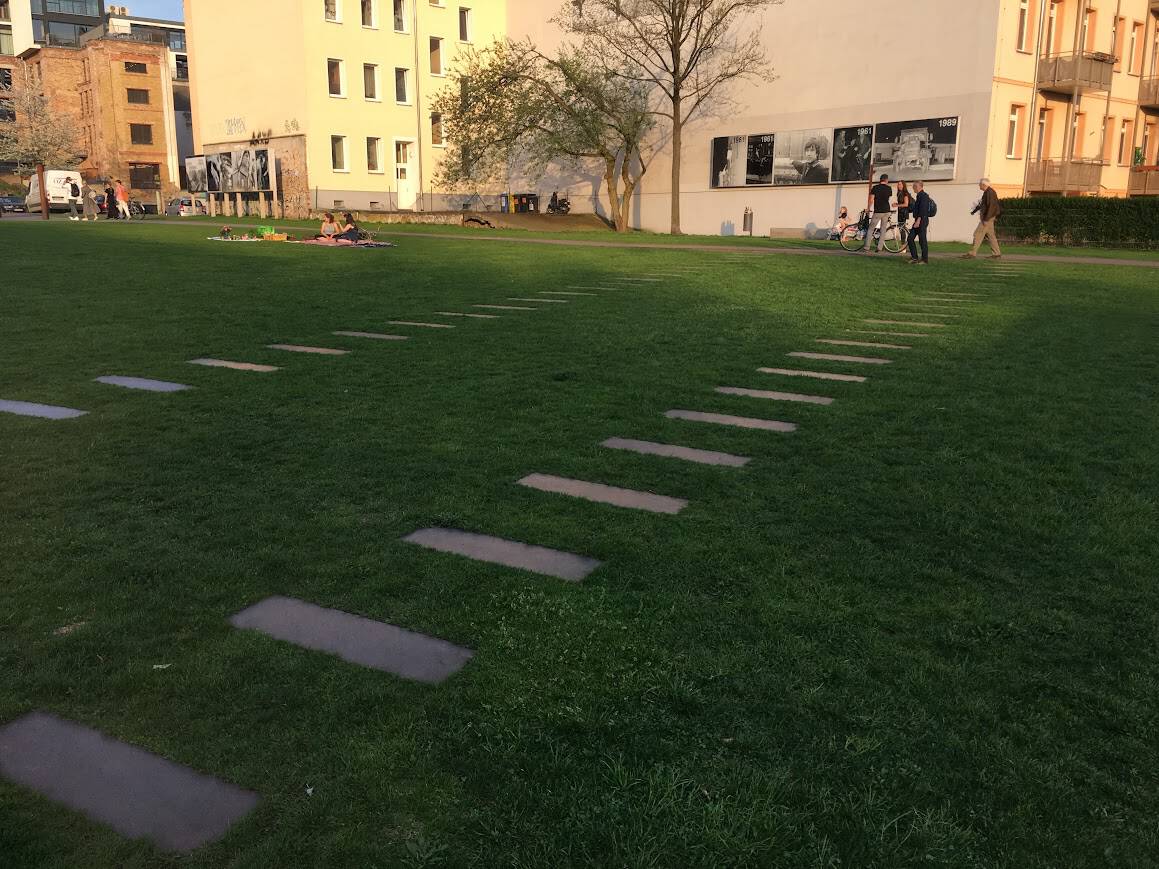
I’ve taken both tours and highly recommend these very unique Berlin experiences.
CHECKPOINT CHARLIE MUSEUM
Checkpoint Charlie was Berlin’s best-known crossing point between communist East Berlin and democratic West Berlin.
It was here that a tense standoff between American and Soviet tanks almost ignited World War 3.
The border post, sandbags, and warning signs are all replicas.
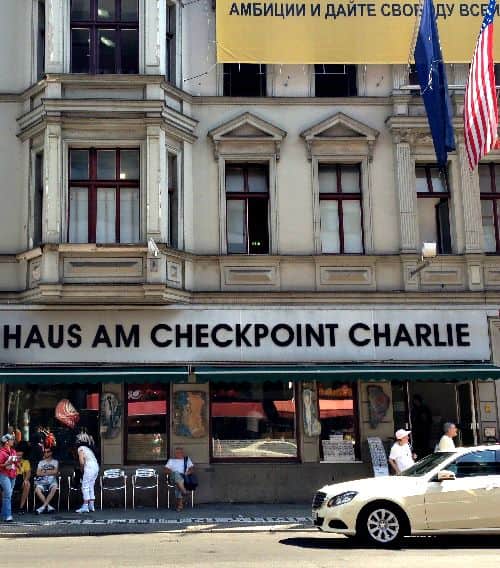
But many find the museum worthy of a visit.
The museum features exhibits on ingenious escape methods, such as hidden compartments in vehicles and makeshift flying machines, alongside artifacts and personal stories.
It also explores broader themes of human rights and the struggle for freedom during the Cold War era.
There’s also the Black Box exhibit with 16 media stations, a small movie theater, documents, and original objects to demonstrate the Cold War conflict.
There’s also the Wall Panorama, which shows scenes of East and West Berlin on a random autumn day in the 1980s.
All three have ticketed entries and will take some time to get through.
If you are short on time or money, then spend some time browsing the Photo Gallery, 320 informational panels that include 175 large-format photos accompanied by written narratives.
The gallery focuses on three themes: the daring escape attempts at the border crossing, information about other memorial sites, and lastly, the dramatic tank showdown.
PALACE OF TEARS
One of Berlin’s best free attractions has to be the Traenenpalast.
It’s located in the heart of Berlin, just outside of the Friedrichstrasse S and U-Bahn Stations.
During the partitioning of Berlin, it served as a border-crossing station, processing visitors from West Germany as well as visitors from other countries.
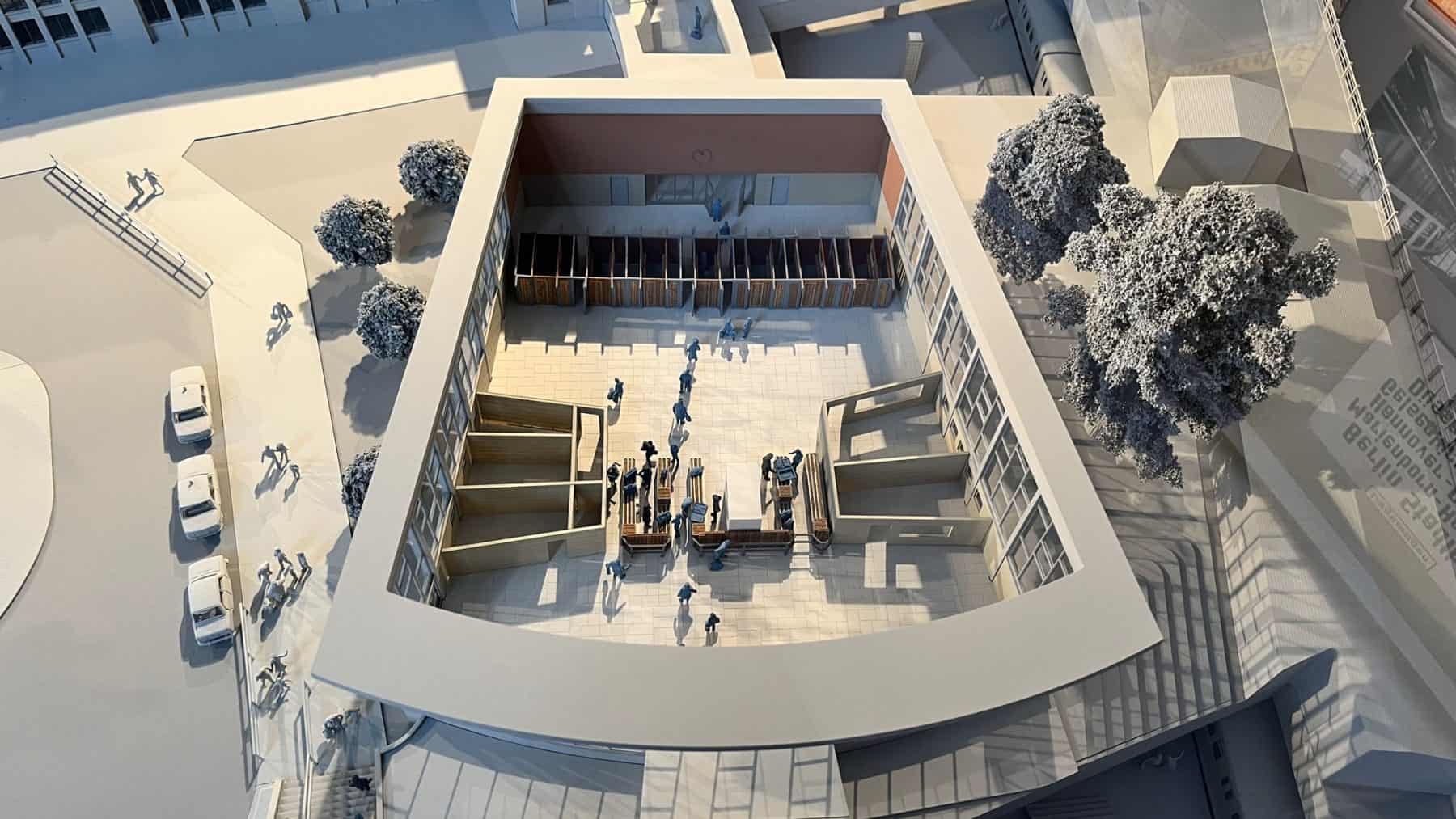
Translated into English, it’s called the Palace of Tears.
The name Traenenpalast is a result of the main tearful goodbyes that residents of the GDR, mostly of East Berlin, experienced saying goodbye to their family members.
Today, it is a museum focusing on the division of Germany and the erection of the Berlin Wall.
There are audio and visual stations, as well as photographs and tangible items to help tell the story.
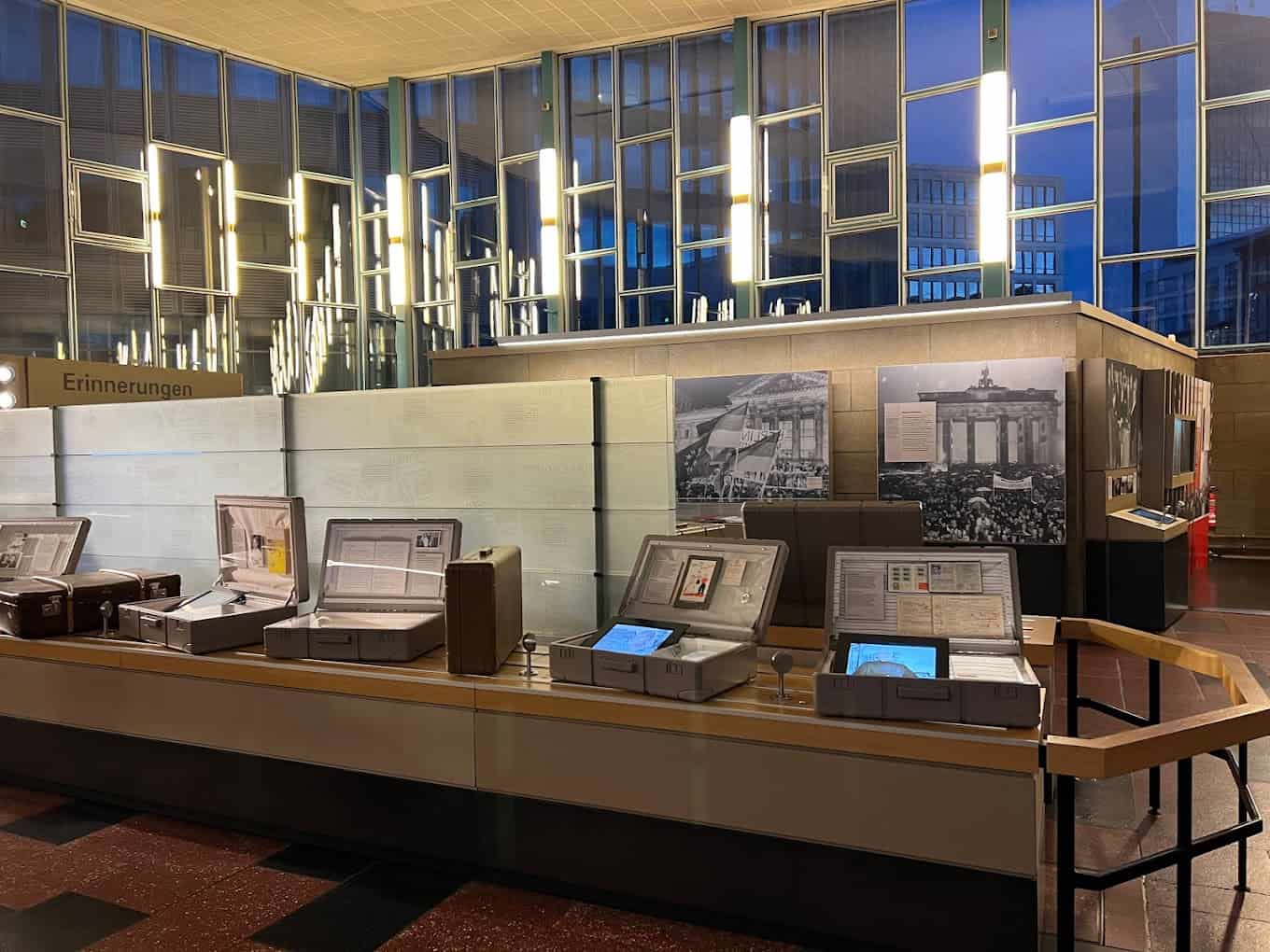
It also tells the story of how this checkpoint worked.
And you can even experience the process by walking through passport control.
There is an audio tour to guide you along. Don't miss this wonderful, free museum.
Just know that it’s closed on Mondays.
MARIENFELDE REFUGEE CENTER
Now, here’s one attraction that you might not have heard of before.
It’s a bit out of the way, roughly 35 minutes by train from Potsdamerplatz, but perhaps worth it.
There’s a lot to see in Berlin documenting escapes into West Berlin from the GDR, such as the Berlin Wall Memorial and the Checkpoint Charlie Museum.
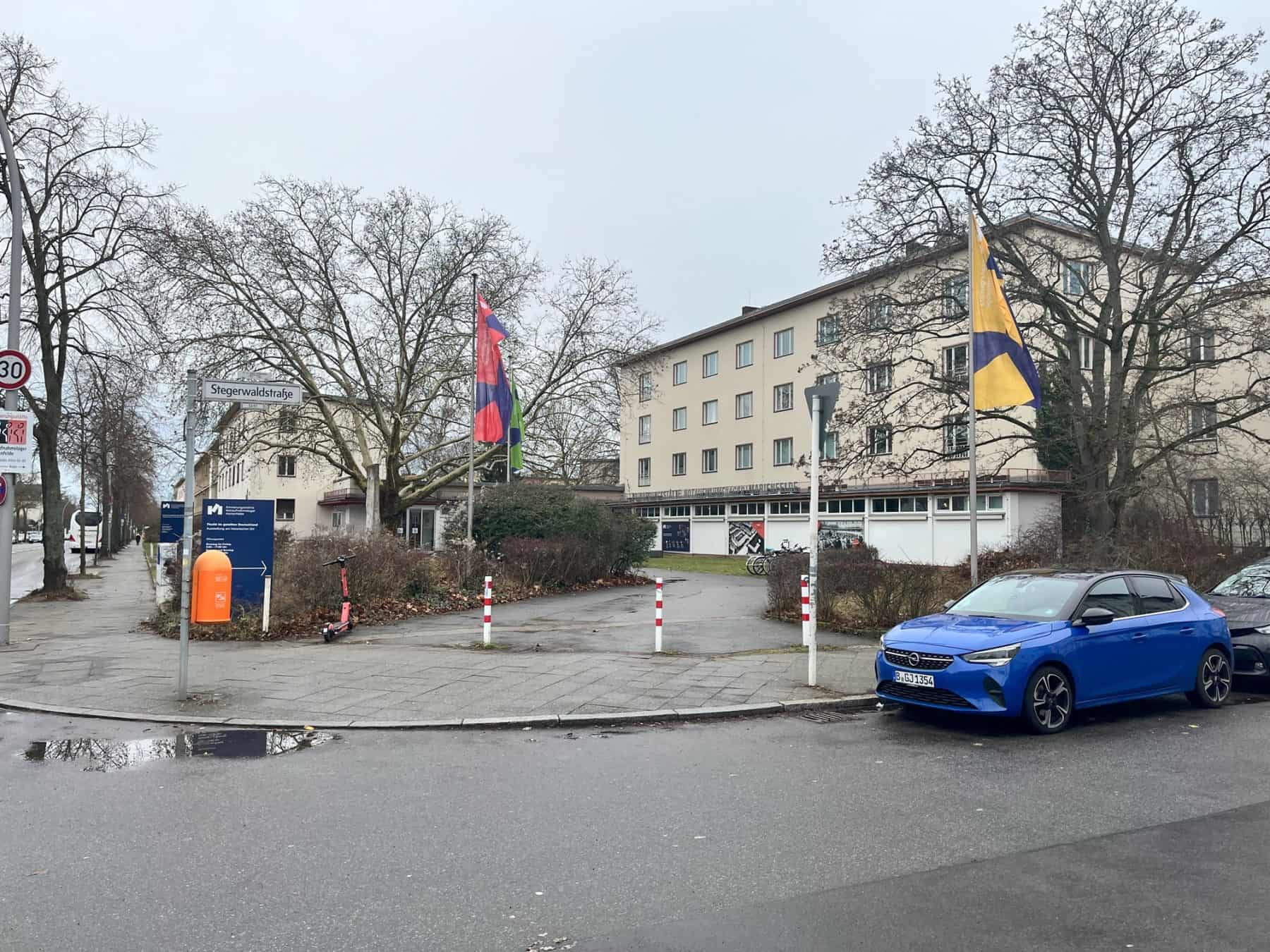
But what happened to these people once they arrived in West Berlin?
For people fleeing East Germany (as well as those allowed to leave), the Marienfelde Refugee Center was their first stop.
Here, refugees were provided food, healthcare, and temporary housing while they waited to be processed and relocated to somewhere in West Germany.
This memorial museum tells the story of the camp and the refugees through audio and visual guides as well as artifacts.
And it wasn’t only used to resettle GDR migrants.
People from throughout the Soviet Union, mostly of Germanic decent, as well as refugees from conflicts in Iraq and Syria were also processed here.
And part of the complex is still active today.
This might be a good option if you are visiting a second or third time to Berlin.
Gunther Lifkin Watchtower
If you are in Berlin from May through October, then you’ll have the opportunity to visit one of the few remaining watchtowers in Berlin,
Visitors can climb to the top and experience a view that border guards once had.
It provides insight into the strict surveillance measures along the Berlin Wall.
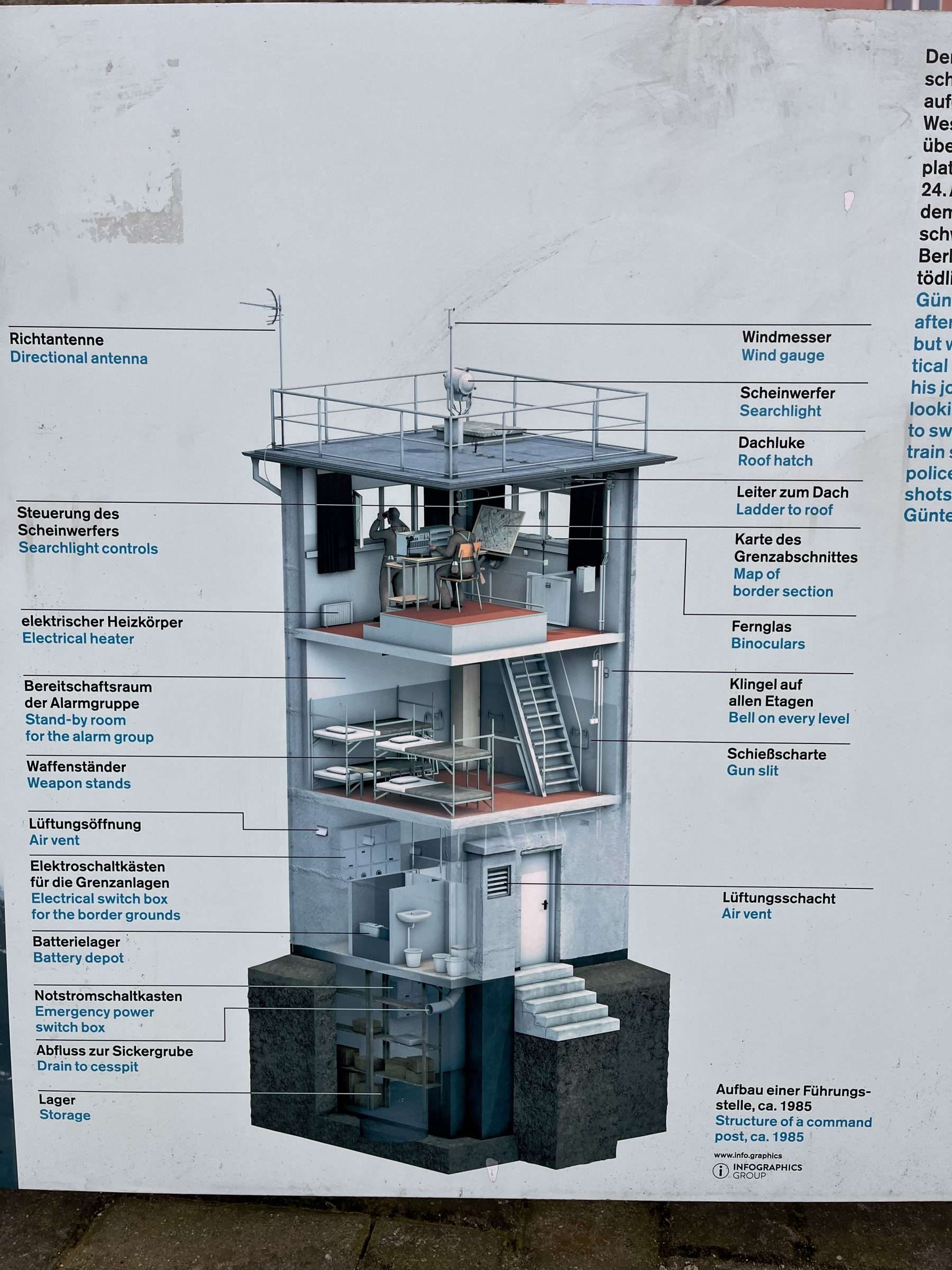
It serves as a memorial to Günther Litfin, the first person shot and killed by East German border guards not too far from here while attempting to escape to West Berlin in 1961.
It’s a short walk from the Hauptbahnhof, and it’s free to visit, though tours have a small fee.
And it’s known that Günther‘s brother Jürgen, who is mostly responsible for this memorial, often leads these tours.
Bundestag Berlin Wall Memorial
Here’s something to consider when you visit the Reichstag Building. It’s located on the other side of the Spree.
Inside the Marie-Elisabeth Lüders Building is the Bundestag’s Berlin Wall Memorial.
Parts of the Berlin Wall have been rebuilt here to commemorate the division of the city along the former route of the Wall, which passed right in front of the Reichstag.
Each piece of the wall lists the number of people killed trying to cross the wall for that year.
There is a memorial book commemorating these victims.
And there is usually a temporary exhibit about the wall that updates every so often.
You can visit every day but Mondays from 11am until at p.m.
Berlin Wall Museum am Potsdamer Platz
This museum is one that I am listing mostly due to its location at Potsdamerplatz.
It’s more a photo gallery than a museum.
And I must admit that the photos are very interesting and really capture the world around the Wall rather well.
There are also a few artifacts to see.
It costs €10 for an adult ticket.
I wouldn’t classify this as a tourist trap, but I don’t place this one high up on the must-see list.
I suspect that a fair share of this museum’s visitors are those who came for its neighborly, the Spy Museum, which I cover in just a bit.
MILITARY OCCUPATION AND SPIES
Allied Museum (Alliertenmuseum)
Located in a former cinema and library for the U.S. military, the Allied Museum is a free museum that covers the Western Allies’ military presence in West Berlin from 1945-1994.
Some of the highlights include the actual checkpoint Charlie Guard building, a RAF Hastings transport plane, as well as a reconstructed Berlin Wall watchtower.
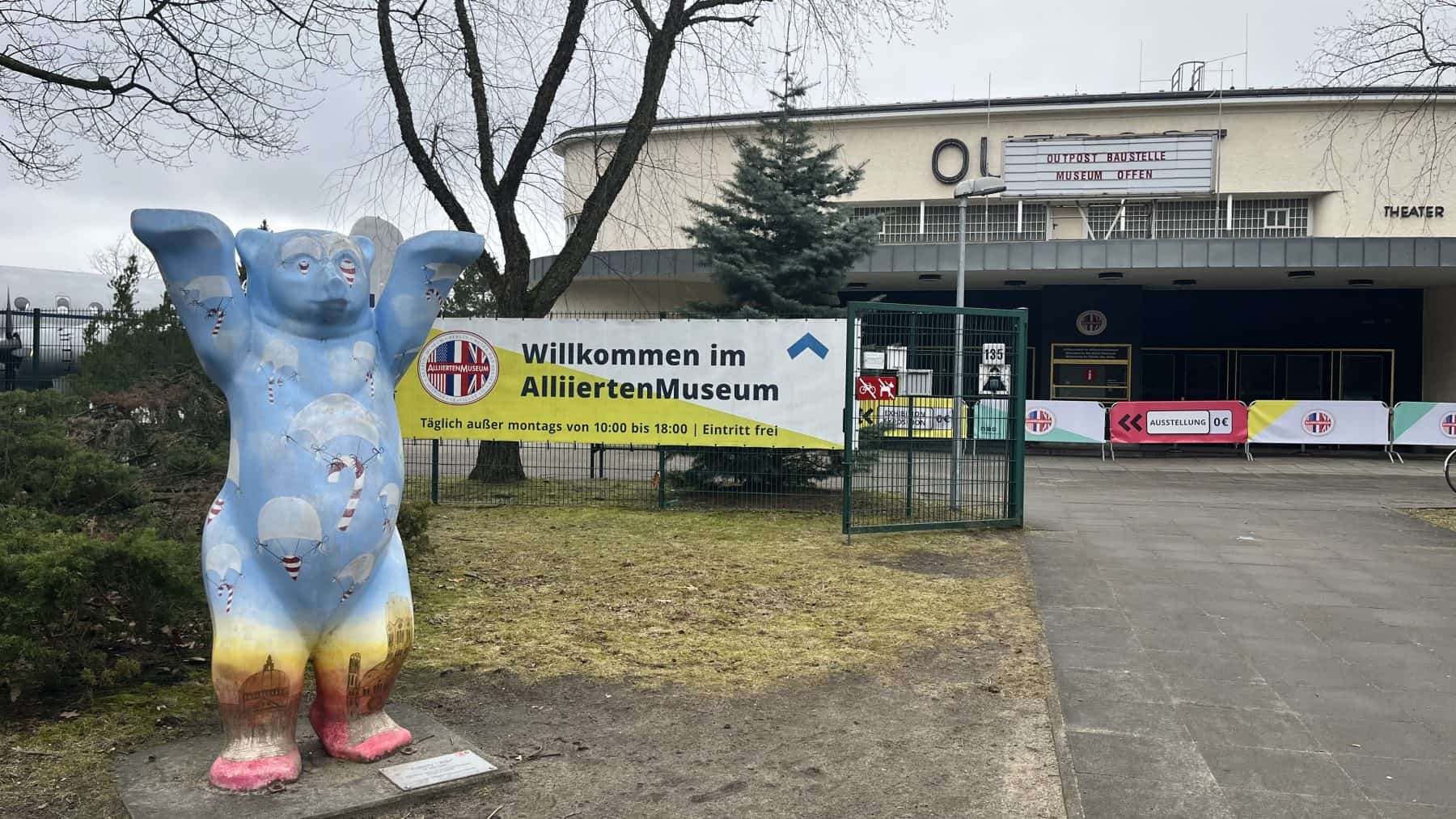
There are exhibits on the Berlin Air Lift, the Candy Bomber, espionage, and on life for military personnel.
It also covers how the Americans, Brits, and French maintained cooperation and dealt with conflicts with the Soviets and East Germans.
There’s an easily digestible audio tour that really enhances the experience.
It’s only drawback is its location, deep inside old West Berlin.
It takes between 45 minutes and an hour from central Berlin to reach the museum.
Teufelsberg
Here’s yet another unique Berlin attraction.
Teufelsberg, which means Devil’s Mountain, hosts an abandoned Cold War-era U.S. spy station built on an artificial hill made of WWII rubble.
It was once used by the US’s National Security Agency to intercept Soviet communications.
It now stands as a graffiti and street art-covered ruin with a surreal atmosphere.
You can explore the massive radar domes, enjoy panoramic views of Berlin, and experience its unique mix of history, urban art, and mystery.
Perfect for those interested in Cold War espionage, abandoned places, or street art.
It’s important to note that a guided tour called Mythos Teufelsberg covers the history of the site and gives exclusive access to the radar areas and an exhibit on the Cold War.
Expect a bit of a hike to reach it, but the eerie, post-apocalyptic vibe makes it well worth it!
German Spy Museum
Our next attraction is the German Spy Museum.
Very much like the DDR Museum, this is a fun and very interactive museum.
If you like secret agents, codes, surveillance, and real-life spy stories, this museum is definitely worth a visit.
The museum has a significant focus on the espionage activities that took place in Berlin during the Cold War, when the city was a hotbed of spy operations between the East and the West.
You’ll learn about famous spy stories and see loads of hidden cameras, disguised weapons, and bugging devices used by both Eastern and Western spies.
But like the DDR Museum, the content is quite broad but not very deep.
And judging from how well-reviewed it is, many people are just fine with that.
Tempelhof Airport
This next sight is one of my favorite recommendations.
Tempelhof Airport is located in Kreuzberg, just a short ride on the U-Bahn from Checkpoint Charlie.
Tempelhof was an airport in the middle of Berlin founded early last century.
It was greatly enlarged by the Nazis and used for weapons manufacturing in WW2.
But much of its history and uses involves the Cold War.
At least parts of the airport were used by the U.S. Airforce.
And it’s from here that where U.S. planes landed loaded with tons of needed goods during the Berlin Airlift.
This is also where the legend of the candy bomber was born.
Today, you can visit on a guided tour.
Highlight include a visit to some of the facilities of the base.
Including the officer’s lounge and a basketball court
You will also walk out to the tarmac to see up close a C-54 skymaster bomber, one of the main planes of the airlift.
You’ll also visit the bomb shelters, the rooftop, the concourse, and the baggage carasouls -
This was also an active airport into the 21-st century.