
Whenever I have a tour guest ask me which neighborhood they should visit while in New York City, I will almost always answer, “Harlem!”
Full disclosure: Harlem has been my home for almost all of my adult life, so I am a little biased. But I know I am not alone in thinking that Harlem is one of the most vibrant neighborhoods in New York City and a place visitors should not miss.
There are so many things to do in Harlem, from exploring its rich African American history and Harlem Renaissance landmarks to admiring historic architecture, visiting museums and churches, seeing colorful murals, listening to jazz and gospel, and enjoying some seriously good food. Come to Harlem hungry—trust me on this one.
In this guide, I’ll share the places I think you should see and the things you should do when visiting Harlem, including where to eat, where to hear live music, how to experience gospel, and how to explore the neighborhood.
Many of these places are stops on our Harlem Walking Tour. I almost always recommend a tour to people visiting Harlem for the first time. It is a large neighborhood with a tremendous amount of history, and a local guide can help you understand what you are seeing along the way.
If you prefer to explore on your own, I’ll also include tips for getting around Harlem, self-guided options, and ideas for exploring beyond Central Harlem.
In this video, Derrick, one of our Tours by Foot NYC guides, takes you on a virtual walking tour of Central Harlem.
Plan Your Visit to Harlem
Harlem is one of New York City's most historically and culturally significant neighborhoods. It is particularly known for its role in African American history and the Harlem Renaissance, but there is much more to discover here.
Today, you can explore historic churches and brownstone-lined streets, see murals and public art, visit museums and cultural institutions, listen to jazz and gospel, and sample some of New York's best soul food and other cuisines.
Harlem is also more accessible from Midtown Manhattan than many first-time visitors realize. You can reach 125th Street from Columbus Circle in just a few minutes on an express subway train, making it easy to add Harlem to a New York City itinerary.
If this is your first visit, I recommend giving yourself several hours to explore rather than trying to rush through the neighborhood. Harlem encompasses several distinct areas, and the experience can be quite different depending on where you go.
Our Harlem Walking Tour is one way to get an introduction to the neighborhood with a local guide. If you'd rather explore independently, our GPS-led Harlem Audio Tour lets you discover the area at your own pace.
How to Get to Harlem
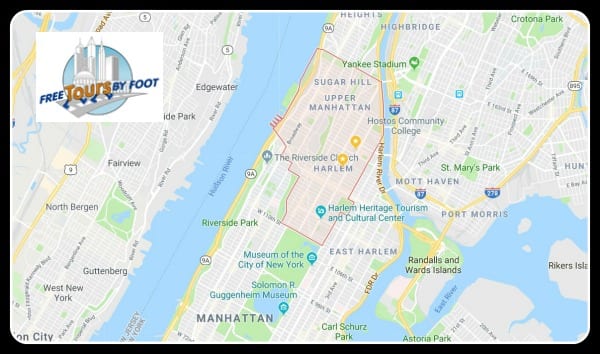
Harlem stretches across northern Manhattan, with several distinct neighborhoods and commercial districts within the larger area. Central Harlem, where many of Harlem's most famous landmarks are located, is centered around 125th Street and Malcolm X Boulevard (Lenox Avenue).
Harlem is easy to reach by subway from Midtown Manhattan and other parts of New York City.
By Subway
Several subway lines have stops in and around Harlem:
- A, B, C, and D trains: Take the train to 125th Street for Central Harlem.
- 2 and 3 trains: Take the train to 125th Street at Lenox Avenue.
- 4, 5, and 6 trains: These trains serve East Harlem, with stops including 116th Street, 125th Street, and 135th Street. Depending on where you're going, you may need to walk or take a bus or taxi farther west.
If you're coming from Midtown, the A or D express trains can get you to 125th Street quickly from stops such as Columbus Circle. Use this Google map to get directions from your point of departure.
New to NYC's subway system? See our post on how to master the subway.
By Bus
MTA buses also serve Harlem, including routes that travel along major north-south and east-west streets. Because bus routes and service patterns can change, check the MTA's current trip planner before you travel. The following MTA bus routes serve Harlem and nearby areas:
- M1, M7, M10, M101, M102, M103, M104, M103, M106, M116
Harlem Map
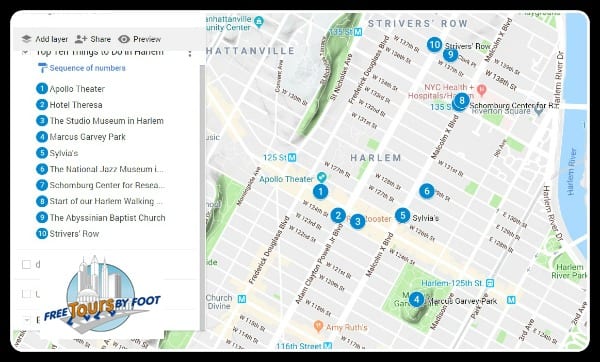
Harlem is a large area, so it helps to look at a map before deciding what you want to see. Use our Harlem map to get oriented and see where some of the neighborhood's major attractions are located.
If you're visiting Harlem for the first time, don't feel that you need to cover the entire neighborhood in one day. Choose a few areas or attractions that interest you and explore from there.
Best Times to Visit Harlem
The best time to visit Harlem depends on what you want to experience.
Weekends are generally the liveliest, with more people out enjoying restaurants, brunch, shopping, music, and neighborhood events. Sunday is particularly busy because of church services and brunch, so popular restaurants and gospel services can fill up.
For a quieter visit, consider exploring on a weekday. You'll often find fewer crowds at attractions and have an easier time walking around the neighborhood.
Keep in mind that hours vary by attraction, restaurant, museum, and performance venue. If there is somewhere specific you want to visit, check its current schedule before you go.
Is Harlem Safe to Visit?
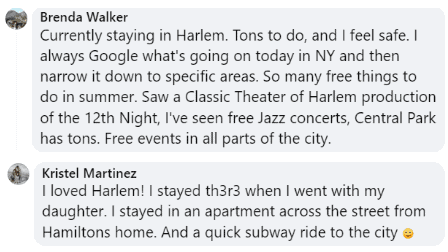
Yes, Harlem is a neighborhood that visitors can explore, and I have lived here for most of my adult life. Like other parts of New York City, Harlem has changed considerably over the years, and its old reputation does not reflect the experience of most visitors today.
That said, Harlem is a large neighborhood, and conditions can vary from one area to another. The same common-sense precautions you would use elsewhere in New York City apply here: keep an eye on your belongings, be aware of your surroundings, and use well-lit, populated streets, particularly at night.
If you're unfamiliar with Harlem, I recommend exploring during the daytime or early evening when you're getting your bearings. If you're visiting a park or quieter residential area, pay attention to the time of day and follow normal city safety precautions.
For more detailed information, including answers to common questions from visitors, see our guide Is Harlem Safe?.
Best Things to Do in Harlem
Take a Walking Tour of Harlem
One of my favorite ways to experience Harlem is on foot. The neighborhood has an incredible amount of history, but many of the stories aren't obvious when you're simply walking down the street.
Our Harlem Walking Tour explores the neighborhood's history, architecture, African American heritage, Harlem Renaissance, music, food, and the people who helped shape Harlem. A local guide can provide the context that you might otherwise miss and point out places you could easily walk right past.
If you'd rather explore independently, we also offer a GPS-led audio tour of Harlem, which you can take at your own pace.
See all our tour offerings on our calendar.
Apollo Theater
The Apollo Theater is one of Harlem's most famous landmarks and one of the most important venues in American music and entertainment. The theater opened on West 125th Street in 1934 and became a legendary stage for Black artists and performers.
Over the decades, the Apollo has been associated with artists including Duke Ellington, Count Basie, Dizzy Gillespie, Aretha Franklin, James Brown, Stevie Wonder, and Michael Jackson. Its famous Amateur Night also helped launch the careers of performers including Ella Fitzgerald and Pearl Bailey.
The Apollo is particularly famous for its connection to live music, but its history extends to comedy, dance, theater, television, and community life in Harlem. James Brown's legendary Live at the Apollo recording is one of the many moments that cemented the theater's place in music history.
Visiting the Apollo today: The historic theater at 253 W. 125th Street is currently closed for a major renovation and modernization project and is expected to reopen in late 2026. However, the Apollo continues to present programming nearby at The Apollo Stages at The Victoria, located at 233 W. 125th Street.
The Apollo also offers historic tours, which provide behind-the-scenes access and stories about the theater's history. Check the Apollo's current schedule before planning your visit, since performances and visitor access can change during the renovation.
Read more about visiting the Apollo Theater and its history.
Schomburg Center for Research in Black Culture
The Schomburg Center for Research in Black Culture, part of The New York Public Library, is one of the world's leading institutions dedicated to preserving and sharing the history, art, and culture of people of African descent. The Center was founded in 1925 and today holds collections spanning more than 10 million items.
The collections cover African American, African Diasporic, and African experiences and include books, manuscripts, photographs, art, artifacts, recorded sound, and other historical materials. The Center also hosts exhibitions, lectures, performances, and other public programs.
The Schomburg Center is located at 515 Malcolm X Boulevard in Harlem. It is also the meeting point for our Harlem Walking Tour, making it an especially convenient place to visit if you're exploring Harlem with us.
If you're interested in African American history, the Harlem Renaissance, literature, art, or New York City history, the Schomburg Center is well worth adding to your Harlem itinerary.
Visit the Schomburg Center at the New York Public Library
Sylvia’s Restaurant
No visit to Harlem is complete without considering a stop at Sylvia’s Restaurant, one of the neighborhood’s most famous soul food institutions.
Sylvia Woods opened the restaurant on Lenox Avenue in 1962, and Sylvia’s has been a Harlem gathering place ever since. Sylvia became known as the “Queen of Soul Food,” and her family continues to operate the restaurant today. In 2024, Sylvia’s was named one of the James Beard Foundation’s America’s Classics, recognizing its longstanding contribution to American dining.
The menu includes classic soul food favorites such as fried chicken, barbecue ribs, collard greens, macaroni and cheese, candied yams, cornbread, peach cobbler, and banana pudding.
Sylvia’s is located at 328 Malcolm X Boulevard, between 126th and 127th Streets. Reservations are available, and they are a good idea if you are visiting at a busy time.
If you're visiting on a Sunday, Sylvia’s also currently hosts live gospel brunch, making it possible to combine two quintessential Harlem experiences—soul food and gospel music.
Read more about Sylvia’s and other places to eat in Harlem.
If you're interested in trying more of Harlem's classic cuisine, see our guides to Sylvia’s Restaurant and Soul Food in Harlem for more recommendations.
National Jazz Museum in Harlem
The National Jazz Museum in Harlem is a small museum dedicated to preserving, celebrating, and exploring the history of jazz. Located in the heart of Harlem, it is a good stop for anyone interested in the music that played such an important role in the neighborhood's history.
The museum's collection includes recordings, photographs, artifacts, and other materials related to jazz, while its programming includes exhibitions, talks, performances, and other events.
The museum is located at 58 West 129th Street, making it easy to combine with other Harlem attractions along or near 125th Street.
Before visiting, check the museum's current schedule and admission information, as hours and programming can change.
Visit the National Jazz Museum in Harlem for current hours, events, and visitor information.
Abyssinian Baptist Church
The Abyssinian Baptist Church is one of Harlem's most historic churches and an important part of the neighborhood's religious and cultural history. The congregation was founded in 1808, making it one of the oldest African American Baptist congregations in the United States.
The church's current building, at 132 West 138th Street, dates to the early 1920s and was designed in a Gothic Revival style. It became particularly prominent under the leadership of Adam Clayton Powell Jr., who served as pastor for many years while also becoming a major political figure in Harlem and the United States.
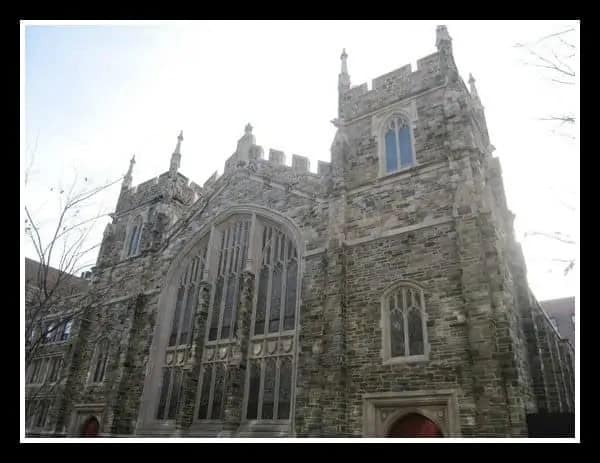
Abyssinian is also well known for its worship services and gospel music. Visitors interested in attending a service should plan ahead and check the church's current visitor guidelines and service schedule, as worship services are religious services rather than tourist performances.
If you're interested in experiencing gospel music while visiting Harlem, see our guide to where to hear gospel music in Harlem and New York City.
Harlem Murals
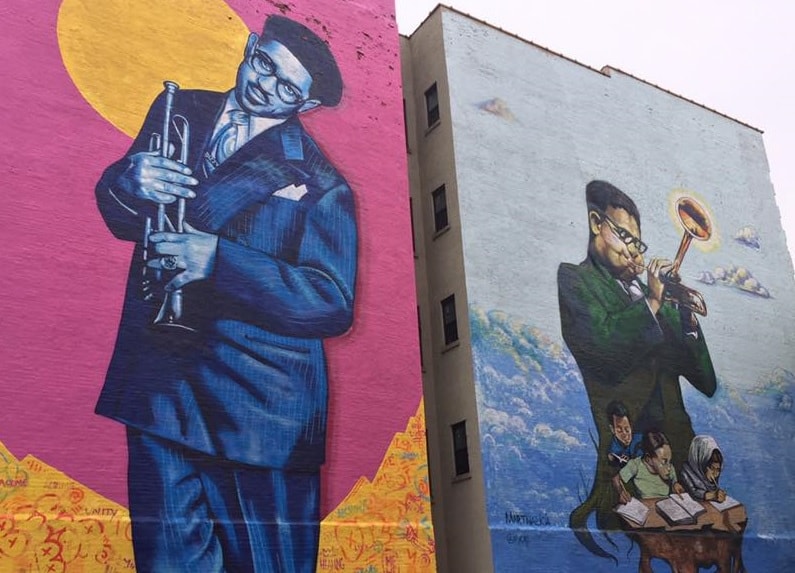
Harlem is home to colorful murals and public art that reflect the neighborhood's history, culture, and people. You'll find artwork throughout the neighborhood, from large-scale portraits to murals celebrating Harlem's musical and cultural heritage.
One mural worth looking for is the Dizzy Gillespie mural on West 135th Street, which pays tribute to the legendary jazz trumpeter and his connection to Harlem.
You'll also find murals and mosaics along 125th Street, including artwork on the subway platforms. If you're traveling through the neighborhood by subway, keep an eye out for the public art rather than simply rushing to the street.
For another piece of Harlem street-art history, head farther south to the Graffiti Hall of Fame near Park Avenue and East 106th Street. The site has long been associated with New York City's graffiti culture, although the artwork and accessibility of the site can change over time.
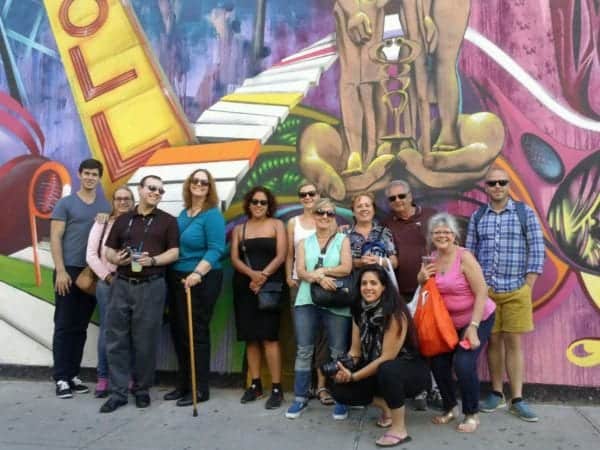
Our Harlem walking tours also visit public art and murals along the way, so a tour is a good option if you'd like to learn more about the stories behind the artwork.
Strivers’ Row
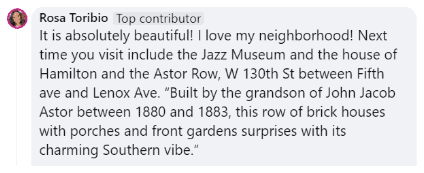
One of Harlem’s most beautiful historic residential areas is Strivers’ Row, a collection of townhouses on West 138th and West 139th Streets between Adam Clayton Powell Jr. Boulevard and Frederick Douglass Boulevard.
The houses were built in the late 19th century as upscale residences, and the development originally included homes designed by prominent New York architects. The three rows of houses have different architectural styles, which makes a walk along these blocks particularly interesting.
The name “Strivers’ Row” came from the successful Black professionals, business owners, artists, and other residents who lived here during the Harlem Renaissance and later decades. Among the residents were people who had worked hard to achieve success in a period when opportunities for Black Americans were severely restricted.
Look closely as you walk along the blocks. You'll notice differences in the facades, entrances, and decorative details, as well as the former stable buildings tucked behind some of the houses. These private residences are still homes, so enjoy the architecture from the sidewalk and be respectful of residents.
Strivers’ Row is also a stop on our Harlem Walking Tour, where your guide can explain more about the architecture and the people who lived here.
Studio Museum in Harlem
The Studio Museum in Harlem is one of the neighborhood's most important cultural institutions, dedicated to artists of African descent and to exploring contemporary Black art and culture.
The museum's new 82,000-square-foot home at 144 West 125th Street opened to the public in November 2025. The building provides expanded gallery space, educational facilities, and dedicated space for the museum's renowned Artist-in-Residence program.
The museum presents changing exhibitions as well as works from its permanent collection. Current and upcoming exhibitions include contemporary artists, photography, installations, and work by artists participating in the museum's Artist-in-Residence program.
The Studio Museum is open Wednesday through Sunday, with extended hours on some evenings. Admission is suggested, and Sundays are free for everyone. Because exhibitions and hours change, check the museum's current visitor information before you go.
Visit the Studio Museum in Harlem for current exhibitions, hours, and ticket information.
Hotel Theresa
The Hotel Theresa, at the corner of 125th Street and Adam Clayton Powell Jr. Boulevard, was once one of Harlem's most important gathering places. Built in 1913, the 13-story building became known as the “Waldorf of Harlem” and welcomed Black travelers and prominent visitors at a time when segregation limited their choices elsewhere in New York City.
The hotel became a hub for Harlem's political, business, and cultural life. Malcolm X held meetings there, and Adam Clayton Powell Jr. had an office in the building. The hotel also became internationally famous in 1960, when Fidel Castro stayed there during his visit to New York for the United Nations General Assembly. Soviet Premier Nikita Khrushchev visited Castro at the hotel, drawing crowds and international attention to Harlem.
The Hotel Theresa closed as a hotel in 1966. The building is now known as Theresa Towers and is used for offices and other commercial purposes, but the historic building remains an important landmark on 125th Street.
You can see the former Hotel Theresa while exploring 125th Street, and it is also a stop on our Harlem Walking Tour.
Marcus Garvey Park
Marcus Garvey Park is a large neighborhood park in Central Harlem and a great place to take a break while exploring the area. The park occupies several city blocks between Madison Avenue and Fifth Avenue, from 120th to 124th Streets.
The park is named for Marcus Garvey, the Jamaican-born political leader and activist who promoted Black nationalism and Pan-Africanism. A monument honoring Garvey stands in the park.
Today, the park is a popular gathering place for Harlem residents. You'll find playgrounds, athletic facilities, a pool, walking paths, and open spaces, along with the historic Mount Morris Fire Watchtower, one of the park's most distinctive landmarks.
Marcus Garvey Park also hosts concerts, theater, cultural events, and community programs throughout the year. The exact schedule changes seasonally, so check the NYC Parks calendar for current events.
The park is especially enjoyable when you want to experience Harlem as a neighborhood rather than simply visit a list of tourist attractions.
Cotton Club
The Cotton Club is one of the most famous names in Harlem's musical history. During the Harlem Renaissance, the original Cotton Club became an important venue for jazz and entertainment, featuring legendary performers including Duke Ellington, Cab Calloway, and Louis Armstrong.
The club originally opened in Harlem in 1923 under the ownership of heavyweight boxing champion Jack Johnson and later became associated with gangster Owney Madden. Although Black performers were featured on stage, the club's audience was primarily white, reflecting the racial segregation of the era.
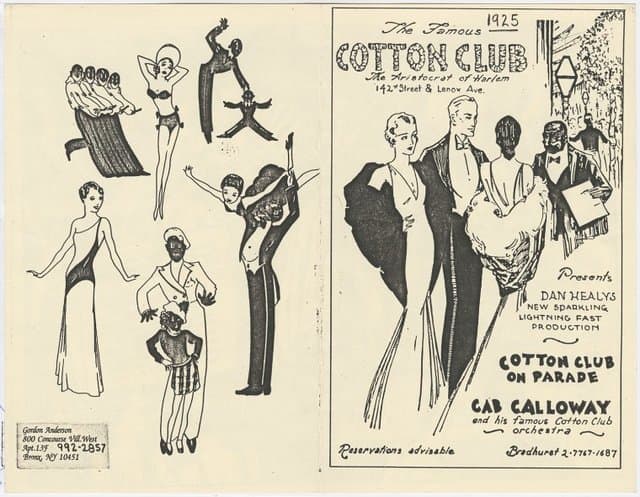
Duke Ellington's orchestra became the house band in the 1920s, helping establish his national reputation. The club also featured elaborate productions, dancers, comedians, and some of the leading Black entertainers of the day.
The original Cotton Club closed in 1940. A new Cotton Club eventually opened in Harlem decades later and continues to present live entertainment at 656 West 125th Street.
The current venue draws on the name and legacy of the historic Cotton Club, but it is important to distinguish today's club from the original Harlem nightclub of the Harlem Renaissance.
If you're interested in Harlem's jazz history, the Cotton Club's story is one of many that help explain why this neighborhood became such an important center for American music.
Langston Hughes House
The Langston Hughes House is a must-see for anyone interested in the Harlem Renaissance and one of Harlem's most celebrated writers. Hughes, one of the leading figures of the Harlem Renaissance, lived in this brownstone at 20 East 127th Street from 1947 until his death in 1967.
Hughes wrote extensively about Black life, culture, music, and identity, and his work helped bring the experiences of African Americans to a broad audience. His poem “Harlem,” also known as “A Dream Deferred,” is one of his best-known works.
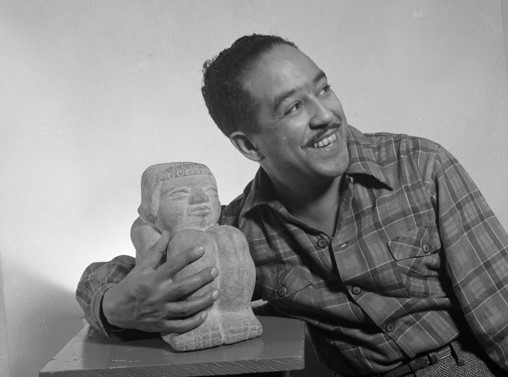
The building was designated a New York City landmark in 1981 in recognition of Hughes' connection to Harlem and his importance to American literature.
The house is now associated with the I, Too Arts Collective, which works to preserve Hughes' legacy and use the space for literary and artistic programming. Visitor access and public programs can vary, so check current information before planning a visit.
Even if you can't go inside, it is worth seeing the exterior and thinking about the literary history connected to this stretch of Harlem.
Langston Hughes is also closely connected to the Schomburg Center, one of the most important cultural institutions in Harlem. His ashes are interred there beneath a floor medallion in the Langston Hughes Auditorium. So if you visit the Schomburg Center, you can also pay your respects to one of Harlem's most influential writers.
Events in Harlem
Harlem has a busy calendar of festivals, concerts, performances, exhibitions, and community events throughout the year. Depending on when you visit, you may find everything from live jazz and gospel to outdoor concerts, cultural festivals, parades, and neighborhood celebrations.
If you're planning your trip around a particular event, be sure to check the organizer's current schedule before you go. Dates and programming can change from year to year.
Harlem Week
Harlem Week is one of the neighborhood's biggest annual celebrations. What began as a single week has grown into a much longer celebration featuring music, dance, food, fashion, art, cultural programs, and community events at venues and outdoor locations throughout Harlem.
If you're visiting New York during Harlem Week, it's a great opportunity to experience several different aspects of the neighborhood in one trip.
Art and Cultural Events
Harlem's cultural institutions regularly host exhibitions, lectures, performances, workshops, and special events.
The Schomburg Center for Research in Black Culture and Studio Museum in Harlem are two of the best places to check for current programming. Smaller galleries, arts organizations, churches, and community groups also host events throughout the year.
The Harlem Arts Alliance is another useful resource for finding what's happening in the neighborhood. Its online events calendar lists a wide variety of arts and cultural events, including performances, dance, classes, exhibitions, and other programs. Many events are free or affordable, making it a good resource if you're looking for things to do in Harlem beyond the major attractions.
The Schomburg Center's Black Comic Book Festival, also known as SchomCom, is an annual celebration of Black comic books and graphic novels. The festival brings together comic creators, illustrators, writers, independent publishers, animators, fans, families, and cosplay enthusiasts.
The event features panel discussions, workshops, cosplay showcases, and opportunities to discover the work of Black comic creators from across the diaspora. If you're interested in comics, animation, Afrofuturism, or contemporary Black culture, check the Schomburg Center's calendar to see when the festival is scheduled during your visit.
Music and Performances
Music is a major part of Harlem's identity, and you can often find live jazz, gospel, R&B, theater, dance, and other performances taking place throughout the neighborhood.
The Apollo Theater and National Jazz Museum in Harlem are good places to check for performances and special programs. Harlem is also home to numerous smaller venues where you can hear live music.
Gospel and Church Events
Gospel music is deeply connected to Harlem's history and culture. Many churches hold regular worship services featuring gospel music, particularly on Sundays.
If you'd like to attend a service, remember that these are religious services rather than tourist performances. Visitors should check the church's current visitor guidelines and service schedule before attending.
Outdoor and Community Events
During the warmer months, Harlem's parks and public spaces often host concerts, festivals, performances, and community programs. Marcus Garvey Park, in particular, is a popular location for outdoor events.
For events happening during your visit, check the current calendars for NYC Parks, Harlem cultural institutions, and local event organizers.
For more ideas, see our guide to things to do in New York City and our monthly NYC events and things to do posts, which include events and activities happening throughout the city.
Explore Beyond Central Harlem
Harlem extends well beyond 125th Street, and there are several worthwhile places to explore farther north and along the western edge of the neighborhood.
Northern Central Park
The northern end of Central Park offers a very different experience from the busy streets around 125th Street. The North Woods, Harlem Meer, and surrounding paths are a good place to enjoy nature and get a break from the city.
The Davis Center at the Harlem Meer is now the centerpiece of the park's northern end. The new facility replaced the former Lasker Pool and Rink and offers year-round recreation, including swimming, ice skating, fitness and wellness activities, cultural programs, and youth programs. The surrounding area also provides access to the restored shoreline of the Harlem Meer and the North Woods.
The Davis Center is especially worth considering if you're visiting Harlem with children or simply want to combine sightseeing with some time outdoors. Activities and hours vary by season, so check the current schedule before you go.
For more about the northern section of Central Park, including maps and things to see and do, take a look at our guide to free tours and activities in Central Park.
Hamilton Grange National Memorial
Hamilton Grange National Memorial preserves the home of Alexander Hamilton, one of the Founding Fathers and the first U.S. Secretary of the Treasury. Hamilton completed the Federal-style house in 1802, when this part of Manhattan was still largely rural. The house was later moved to its current location in St. Nicholas Park at 414 West 141st Street.
Today, you can visit the visitor center and grounds for free and learn more about Hamilton and the history of the house. Access to the historically furnished interior is available through free, ranger-led and volunteer-led tours, which are offered on a first-come, first-served basis.
Hamilton Grange is open Wednesday through Sunday, although hours and tour times vary by day. If you're interested in seeing the interior, check the current tour schedule before you visit. Groups of 10 or more should contact the National Park Service in advance.
The Grange is located in Hamilton Heights, making it a worthwhile stop if you're exploring beyond Central Harlem and want to see a very different part of northern Manhattan.
TIP: A fan of Alexander Hamilton? See our guide to getting discounted tickets to Hamilton, the Broadway musical.
Grant's Tomb
Grant's Tomb, officially called General Grant National Memorial, is the final resting place of President Ulysses S. Grant and his wife, Julia. Located in Riverside Park near West 122nd Street, the imposing mausoleum overlooks the Hudson River.
Completed in 1897, the memorial is the largest mausoleum in North America. Inside, you can see the tombs of Grant and his wife, along with the impressive architecture and decorative details of the memorial.
Admission is free, and you can visit the mausoleum and the nearby visitor center and overlook pavilion. The visitor center includes exhibits and a short film about Grant and the memorial. A self-guided audio tour is also available through the free NPS App.
Grant's Tomb is currently open Wednesday through Sunday, although hours vary seasonally. Check the National Park Service website for current hours and any temporary closures before visiting.
Museum of the City of New York
The Museum of the City of New York explores the history, art, culture, and people that have shaped New York City. Located at 1220 Fifth Avenue at 103rd Street, it is a particularly good stop if you're exploring the northern end of Central Park or Museum Mile.
The museum's exhibitions cover everything from New York's history and architecture to photography, popular culture, social movements, and the city's diverse communities. New York at Its Core, one of the museum's ongoing exhibitions, tells the story of New York's past, present, and future through the people and events that shaped the city.
The museum also hosts lectures, performances, family programs, and other special events throughout the year.
Admission is free on Wednesdays, when the museum stays open until 9 p.m. through the end of 2026. Regular admission is $23 for adults, with reduced admission for seniors and students. Children 18 and under are free. Check the museum's current schedule for exhibitions and programs before your visit.
El Museo del Barrio
El Museo del Barrio is a museum dedicated to presenting and preserving the art and culture of Puerto Ricans and Latin Americans in the United States. Founded in 1969, the museum has an extensive collection of Latin American and Caribbean art and presents changing exhibitions throughout the year.
Located at 1230 Fifth Avenue at 104th Street, El Museo is a natural stop if you're exploring the northern end of Central Park or heading into East Harlem. In addition to exhibitions, the museum offers film screenings, performances, talks, family programs, and other cultural events.
El Museo is a pay-what-you-can museum, with suggested admission of $9 for adults and $5 for seniors and students. Children under 12 and members are admitted free. The museum is currently open Thursday through Sunday, 11 am to 5 pm, although hours and programming can change.
If you're interested in Latin American, Caribbean, and Puerto Rican art and culture, check the museum's current exhibitions and events when planning your visit.
TIP: See our guide to free museums in NYC. There are dozens to choose from!
Places to Eat and Shop in Harlem
One of the best reasons to spend time in Harlem is the food. The neighborhood has a long tradition of soul food, but you'll also find restaurants serving Caribbean, West African, Latin American, Southern, and contemporary cuisine.
Harlem is also a good place to shop for books, African and Caribbean goods, clothing, art, and other items that reflect the neighborhood's diverse communities.
Here are some of the places we recommend, along with a few of our favorite resources for finding more.
Restaurants in Harlem
Harlem is particularly well known for its soul food, but the neighborhood's dining scene goes far beyond traditional Southern cooking. You'll find restaurants serving Caribbean, West African, Latin American, French, Italian, and contemporary American food throughout Harlem.
For a classic Harlem experience, consider Sylvia's Restaurant, which has been serving soul food on Malcolm X Boulevard since 1962. Amy Ruth's is another Harlem institution, particularly known for its chicken and waffles. Red Rooster Harlem, on Lenox Avenue, combines contemporary interpretations of American food with live music and a lively atmosphere.


If you'd like to explore more of Harlem's soul food scene, see our guide to Soul Food in Harlem, where we cover more restaurants and what to order.
More Restaurants in Harlem
Harlem has far more restaurants than we can cover in this guide, so here are some additional places to consider. The neighborhood's dining scene includes everything from Italian and French to Caribbean, pizza, and bakeries.
- Lido Harlem – A neighborhood Italian restaurant on Frederick Douglass Boulevard, with brunch, lunch, and dinner.
- Maison Harlem – A French bistro and wine bar in Hamilton Heights serving French classics, seafood, and other bistro favorites.
- Settepani – A family-owned Italian restaurant and bakery on Malcolm X Boulevard, known for its Italian dishes as well as pastries and desserts.
- Sottocasa Pizzeria – A cozy Harlem pizzeria serving Neapolitan-style, wood-fired pizzas on Malcolm X Boulevard.
- The Edge Harlem – A neighborhood restaurant combining Jamaican, British, and American influences, with brunch and dinner.
- Harlemite Peruvian Cuisine – A good option if you're looking for Peruvian food, including dishes such as rotisserie chicken, lomo saltado, and seafood.
- Charles Pan-Fried Chicken – A casual Harlem spot known for fried chicken and other soul food.
- Levain Bakery – Stop here for one of Levain's famous oversized, gooey cookies. The Harlem location is on Frederick Douglass Boulevard and is an easy place to grab a sweet treat or coffee while exploring the neighborhood.
- CopperLeaf Bakery – A Harlem bakery and café on Frederick Douglass Boulevard offering breads, pastries, coffee, and all-day food.
Harlem is a large neighborhood, so these restaurants are spread across several areas. When choosing where to eat, consider where you'll be sightseeing that day rather than assuming everything is close to 125th Street.

Shopping in Harlem
Harlem has a mix of major retailers, independent boutiques, specialty shops, markets, and stores selling books, art, clothing, gifts, and products from African and Caribbean cultures.
125th Street is the neighborhood's main commercial corridor, with a wide variety of stores and restaurants. For something more distinctly Harlem, look for independent shops and markets along Malcolm X Boulevard and throughout Central Harlem.
More Places to Shop in Harlem
Looking for something beyond the big-name stores? Here are some Harlem shops and markets worth checking out:
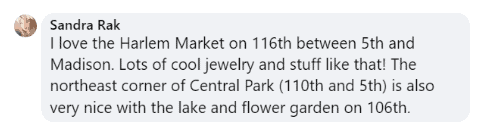
- Malcolm Shabazz Harlem Market – Browse African and Caribbean clothing, fabrics, jewelry, artwork, and other goods. The market is a good place to look for unique souvenirs and gifts.
- NiLu – A Black-owned gift and lifestyle shop featuring home goods, art, books, jewelry, accessories, and products from independent makers.
- Harlem Haberdashery – A family-owned boutique offering distinctive clothing, accessories, and gifts, with a strong connection to Harlem's fashion scene.
- FlameKeepers Hat Club – A Harlem institution for hats and men's accessories, particularly known for its selection of New York and Harlem-inspired styles.
- Harlem's Heaven Hats – A longtime Harlem hat shop specializing in stylish and often elaborate hats and headwear.
- Schomburg Shop – Located at the Schomburg Center, this is a good place to find books, gifts, clothing, accessories, and items related to African American history and culture.
- The Brownstone – A Harlem boutique offering clothing, accessories, gifts, and other items with a distinctly Harlem feel.

Harlem's shops are spread throughout the neighborhood, so check the location before you go and consider combining shopping with the attractions and restaurants nearby.
Nightlife in Harlem
Harlem has plenty to do after dinner, particularly if you're interested in live music, jazz, theater, and cultural performances. The neighborhood's nightlife is generally more focused on live entertainment, restaurants, lounges, and neighborhood bars than on large nightclubs.
Live Music and Jazz
Music is one of the best reasons to spend an evening in Harlem. The neighborhood has played an important role in the history of jazz, soul, R&B, and other forms of Black music, and live performances remain an important part of Harlem's culture today.
The Apollo Theater is the neighborhood's most famous music venue. Although the historic theater at 253 West 125th Street is currently closed for renovation, the Apollo continues to present performances at Apollo Stages at The Victoria, just a few doors away at 233 West 125th Street. Check the Apollo's current calendar to see what's happening during your visit.
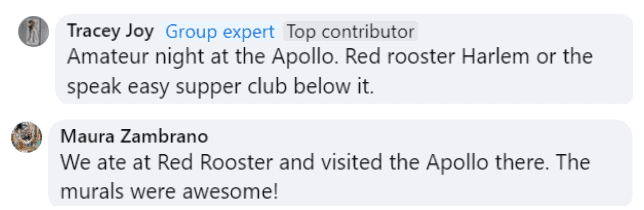
The Cotton Club is another name closely associated with Harlem's musical history. The original Cotton Club was an important Harlem Renaissance-era venue where performers including Duke Ellington and Cab Calloway helped make Harlem a center of American jazz. The current Cotton Club at 656 West 125th Street carries on the name with live entertainment, but it is a different venue from the historic Cotton Club.
Bill's Place offers a very different kind of jazz experience. This intimate venue is tucked away in a former speakeasy and provides an up-close setting for live jazz. It is also a stop on our Harlem Walking Tour, where we talk about Harlem's musical history and the musicians and venues that helped establish the neighborhood as an important center of American music.
For more live music options, check current event calendars for Harlem's music venues and cultural organizations. Performances and schedules change frequently, so it's best to see what's happening during your visit.
Restaurants, Bars, and Lounges
Several Harlem restaurants stay open into the evening and combine dinner with drinks, music, or entertainment. Red Rooster Harlem, for example, is known for its food as well as live music and performances.
You'll also find neighborhood bars and lounges where you can have a drink and experience a more local side of Harlem. If you're looking for a particular type of nightlife, check the venue's current hours and event schedule before heading out.
Harlem Tavern is a neighborhood bar, restaurant, and beer garden at the corner of 116th Street and Frederick Douglass Boulevard. It's a good choice if you're looking for a lively place to have dinner and drinks, watch a game, or spend some time outdoors. The large patio and beer garden make it especially popular in warmer weather, and the restaurant also hosts live music and other events. Check the current schedule before you go.
Shrine World Music Venue is one of Harlem's best-known spots for live music and nightlife. This independent venue hosts a wide variety of performers, from jazz and soul to reggae, Afro-fusion, R&B, and DJs, along with comedy, poetry, theater, and other events. It's a particularly good option if you're looking for a more energetic night out with live music and dancing. Shrine also has a full bar and food menu. Check the current calendar to see who's performing during your visit.
Harlem is a great neighborhood to explore in the evening, whether you're coming for live music, a performance, dinner, drinks, or simply to experience a different side of New York City. Check current schedules and hours when planning your evening, since events and performances change throughout the year.
Gospel in Harlem
For many visitors, attending a gospel service is one of the most memorable things to do in Harlem. Gospel music has deep roots in the neighborhood, and Harlem's churches have played an important role in both the religious and cultural life of the community.
If you'd like to attend a service, remember that you are visiting an active place of worship. Dress appropriately, follow the church's guidelines for visitors, and be respectful during the service. Services can vary considerably from church to church, so check the schedule and visitor information before you go.
Abyssinian Baptist Church is one of Harlem's most historic congregations and is well known for its worship services and gospel music. There are also other churches in Harlem where visitors may be welcome to attend Sunday services.
For more information, including churches to consider and what to expect when attending a service, see our guide to Gospel Music in Harlem and New York City.
If you'd rather experience gospel music as part of a guided Harlem visit, we also offer a Harlem Gospel Experience that combines a Harlem history and culture experience with a Sunday gospel service.
Tips for Visiting Harlem
Harlem is a large neighborhood, so one of the biggest mistakes first-time visitors make is trying to see everything in a single afternoon. Pick an area or a few places that interest you and give yourself time to actually enjoy them.
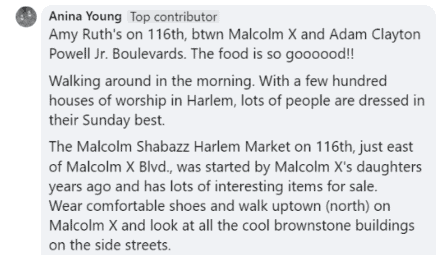
Give yourself several hours. If you're visiting Harlem for the first time, I recommend setting aside at least half a day. You can combine a walking tour or museum visit with lunch, shopping, or an afternoon at the park.
Don't limit yourself to 125th Street. 125th Street is Harlem's main commercial corridor and an easy place to start, but some of the neighborhood's most interesting historic streets, restaurants, churches, and cultural institutions are farther south, north, and west.
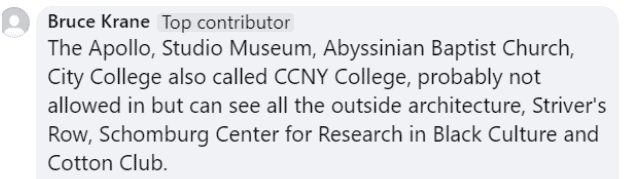
Use the subway. Harlem is well connected to the rest of Manhattan, and the subway makes it easy to get around. Don't be afraid to explore beyond the area where you first get off the train.
Plan around what you want to do. If you want to attend a gospel service, see live music, visit a museum, or eat at a particular restaurant, check the schedule or make a reservation before you go. Then build the rest of your day around it.
Consider taking a tour. If you're visiting Harlem for the first time, a local guide can help you understand the history and culture behind the places you're seeing. If you prefer to explore independently, our GPS-led Harlem Audio Tour gives you the flexibility to go at your own pace.
Most importantly, come to Harlem with an open mind and give yourself time to experience the neighborhood rather than simply checking attractions off a list. There's a lot here that you won't discover if you rush.
If you have more questions about Harlem (or anything else about NYC) that we haven't covered here, check out our New York Travel Tips Facebook group!